
Children Will Learn
What They Live
If children live with criticism, they learn to condemn.
If children live with hostility, they learn to fight.
If children live with fear, they learn to be apprehensive.
If children live with pity, they learn to feel sorry for themselves.
If children live with ridicule, they learn to feel shy.
If children live with jealousy, they learn to feel envy.
If children live with shame, they learn to feel guilty.
If children live with encouragement, they learn confidence.
If children live with tolerance, they learn patience.
If children live with praise, they learn appreciation.
If children live with acceptance, they learn to love.
If children live with approval, they learn to like themselves.
If children live with recognition, they learn it is good to have a goal.
If children live with sharing, they learn generosity.
If children live with honesty, they learn truthfulness.
If children live with fairness, they learn justice.
If children live with kindness and consideration, they learn respect.
If children live with security, they learn to have faith in themselves and in those about them.
If children live with friendliness, they learn the world is a nice place in which to live.
By Dorothy Law Nolte, Ph.D.
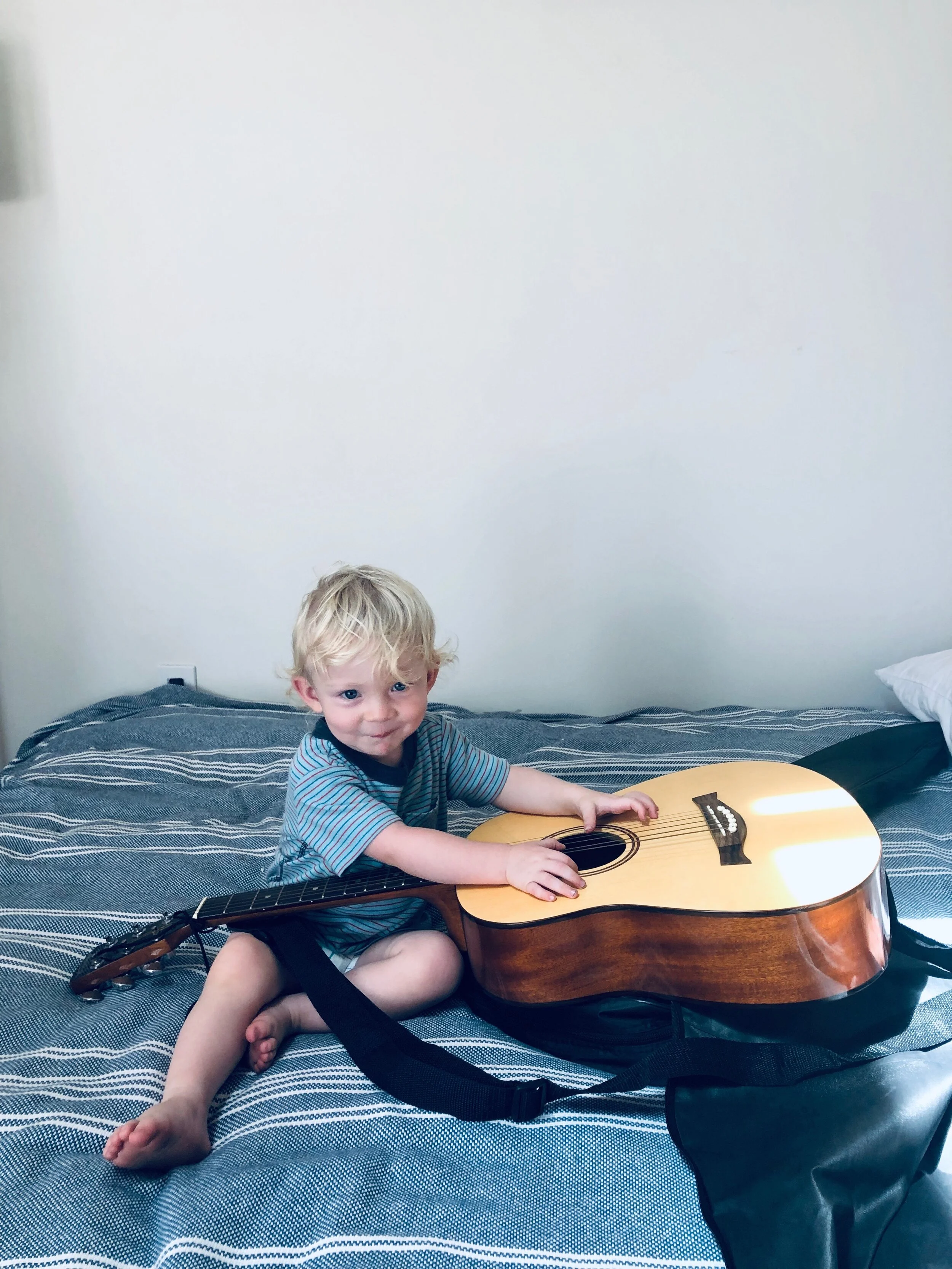
Instilling healthy self-esteem in a child isn’t about praise or perfection — it’s about helping them feel safe being who they are 🤍
Self-esteem grows quietly through everyday moments, not big speeches.
Here are the foundations that truly build it:
1. See Them — Really See Them
Children develop self-esteem when they feel noticed.
Not for what they do, but for who they are.
Say things like:
“I love how you think.”
“You stayed with that even when it was hard.”
“I see how kind your heart is.”
Being seen tells a child: I matter.
2. Praise Effort, Not Identity
Instead of “You’re so smart,” try:
“You worked really hard on that.”
“I love how you kept going.”
This teaches them that their worth isn’t fragile or dependent on performance — it lives inside them.
3. Let Them Try, Fail, and Try Again
Confidence is built through experience, not protection.
When children are trusted to struggle a little, they learn:
“I can handle things.”
“I’m capable.”
“Mistakes don’t define me.”
Resilience is self-esteem in action.
4. Model Self-Respect
Children learn how to treat themselves by watching how we treat ourselves.
When you:
speak kindly about your body
honor your needs
set boundaries
recover gently from mistakes
…you teach them self-esteem without saying a word.
5. Offer Unconditional Love (Especially in Hard Moments)
The most powerful message a child can receive is:
“I love you even when you’re struggling.”
When children know love doesn’t disappear when they’re emotional, messy, or imperfect, their inner foundation becomes unshakeable.
6. Encourage Autonomy
Let them make age-appropriate choices:
what to wear
how to play
how to solve small problems
Choice builds trust in self.
Trust in self becomes confidence.
7. Hold Space for Their Emotions
Self-esteem grows when feelings are welcomed — not fixed or dismissed.
Try:
“It’s okay to feel this way.”
“I’m here with you.”
“Your feelings make sense.”
A child who feels emotionally safe learns to accept themselves fully.
The Truth About Self-Esteem
Self-esteem isn’t something you give a child.
It’s something you protect while it grows.
When a child feels loved, capable, trusted, and accepted — they don’t have to learn self-esteem.
It becomes who they are.
WITH LOVE TO YOU MAMA!
~KRISTIN @ SOUL TRIBE