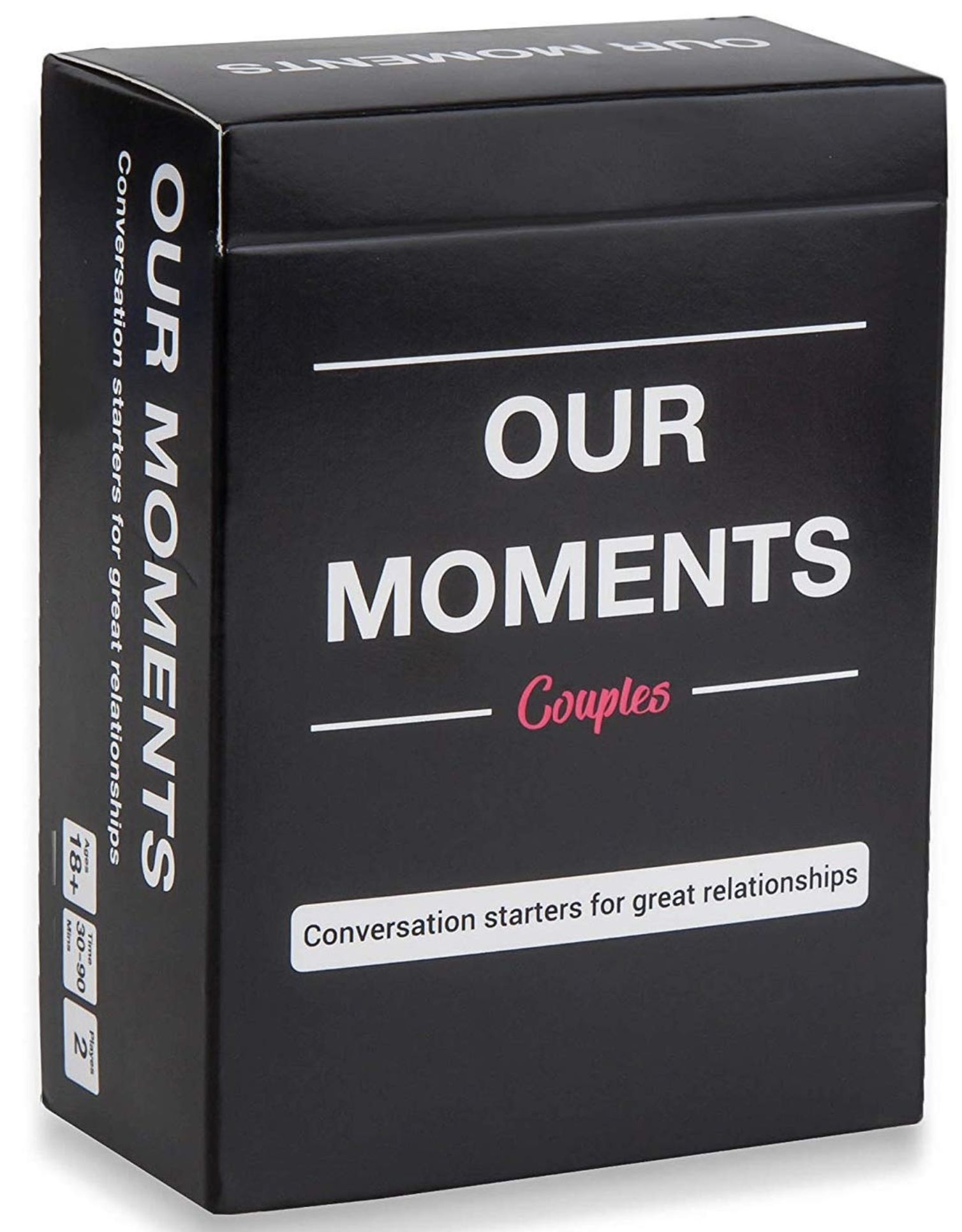
The Communication of Love
“Discussions are always better than arguments, because an argument is to find out who is right, and a discussion is to find out what is right…”

7 Ways To Improve Communication With Your Partner
ByVikki Ziegler, Contributor | Huffington Post
Unless you’ve been living under a rock, you’ve probably heard how important it is to establish “good” communication with your spouse. However, if you didn’t grow up watching your parents speak to each other openly, honestly and with respect, you may not know precisely how to do that, as well as when you should speak up vs. when you should not. Especially if you’re fighting a lot or harboring negative feelings, you may want to consider brushing up on your relational skills. The good news is, whether you’ve been married for 50 years or are about to walk down the aisle, it’s never too late to improve how you talk with your partner. Here are five ways I recommend to open the lines of communication with the one you love and strengthen your relationship in the process.
1. Don’t accuse. If you’re having an issue, be conscious not to point blame at your partner by phrasing sentences that start with words such as “You make me... “ or “You didn’t…” Instead, begin by saying, “I feel hurt when…” or “I’m upset when…” Your partner will be less likely to be defensive if you don’t sound as though you’re in attack mode.
2. Listen. Once you voice what’s bothering you, be sure to hear how your partner responds. Give him or her a chance to speak and listen to what he or she says. It may be that you’re misinterpreting the behavior, he or she wasn’t conscious of how you feel, or you’re doing or saying something to influence them. Whatever the case may be, unless you hear your partner out, you’ll never know.
3. Be consistent. Healthy communication happens during the smallest of moments, not only at meals and when you’re on vacation. Speak nicely to your partner and try your best not to let stress or other distractions get the best of you. A devoted husband or wife will want to support you when you need it most, but not if you take your anxiety out on them or take his or her love for granted.
4. Touch often. Communication is not only verbal. Touch your husband or wife often and not only in a sexual way. Hold hands. Kiss him or her hello and goodbye. Let your partner know without words, which people can sometimes misconstrue, just how much he or she means to you. Touching coupled with the right language can add depth to your relationship that words cannot.
5. Ask questions. Not everyone is forthcoming with information, especially if something is bothering them. Make it a habit of asking your partner how he or she is doing and how his or her day was, even if your spouse is not always interested in speaking with you at length at that exact moment. Expressing that you’re interested will go a long way toward keeping the lines free when your partner does want to talk.
6. Remain open. Although it’s sometimes more comfortable to stay silent or put off a conversation until later, it’s important to resist that temptation. Problems tend to build as opposed to disappearing when we keep issues that are bothering us bottled up inside. If you’re having a problem, raise it with your partner, bearing in mind your delivery as I discussed earlier in number one.
7. Compliment your partner. Healthy communication is not only about airing your grievances. It’s also about showing your partner just how much you appreciate him or her on both a large and small scale and that you see them. If your husband cooked you a special dinner, acknowledge it. If your wife had her hair done, tell her how lovely she looks. Little acknowledgments here and there communicate to your partner that, yes, you notice him or her and are happy he or she is a part of your life. Don’t hesitate to tell your partner how you’re in love and how much he or she means to you. When you do so consistently, chances are, you’ll get back what you give and then some by way of the happy marriage you always wanted.
One of the best things I ever did for my marriage
was to attend a weekend
IMAGO COMMUNICATION
workshop
in Del Mar, California
where we created a shared Relationship Vision
it was so inspiring !
Imago Communication is a structured, heart-centered way for partners to communicate that prioritizes safety, understanding, and connection over being right or winning an argument. It’s commonly taught within Imago Relationship Therapy and is designed to help couples move out of reactivity and into empathy and attunement.
At its core, Imago communication asks partners to slow down, listen deeply, and respond with curiosity rather than defensiveness.
WHAT IMAGO COMMUNICATION IS (IN SIMPLE TERMS)
Imago communication is based on one powerful idea:
Conflict isn’t the problem — disconnection is.
When partners feel unheard, unseen, or unsafe, communication breaks down. Imago provides a clear container so both partners can speak and be heard without escalation.
Rather than debating facts or proving points, Imago focuses on understanding each other’s inner world.
THE THREE CORE STEPS OF IMAGO COMMUNICATION
Imago communication follows a specific, repeatable structure. One partner speaks while the other listens.
1. MIRRORING
The listener reflects back exactly what the speaker said — without interpretation, judgment, or correction.
Example:
Speaker: “I feel lonely when we don’t spend time together.”
Listener: “What I hear you saying is that you feel lonely when we don’t spend time together. Did I get that right?”
This step slows the conversation down and ensures the speaker feels accurately heard.
2. VALIDATION
Validation doesn’t mean agreement — it means acknowledging that your partner’s perspective makes sense to them.
Example:
“That makes sense to me given how important connection is to you.”
Validation reduces defensiveness and communicates:
Your experience matters.
3. EMPATHY
The listener names what the speaker might be feeling emotionally.
Example:
“I imagine that feels really painful and isolating.”
Empathy builds emotional safety and helps partners feel emotionally held, even in difficult conversations.
WHY IMAGO COMMUNICATION IS SO POWERFUL
Most arguments aren’t about the surface issue. They’re about:
Feeling unimportant
Feeling unsafe
Feeling unloved or unseen
Imago communication:
Lowers emotional intensity
Prevents interruptions and escalation
Builds trust and emotional intimacy
Helps partners feel like they’re on the same team
Turns conflict into connection
It replaces reactions with presence.
HOW IMAGO SHIFTS THE DYNAMIC BETWEEN PARTNERS
Instead of:
Defending
Explaining
Fixing
Withdrawing
Attacking
Partners learn to:
Listen without correcting
Speak without blaming
Stay regulated
Hold space for each other’s truth
Over time, couples often report that arguments feel less threatening, repairs happen faster, and emotional closeness increases.
IMAGO IS ROOTED IN HEALING, NOT BLAME
Imago communication was developed by Harville Hendrix and Helen LaKelly Hunt, who taught that many adult relationship struggles are connected to unmet childhood needs.
Imago creates an environment where partners can safely express those needs — and be met with compassion instead of criticism.
WHEN TO USE IMAGO COMMUNICATION
Imago is especially helpful when:
Conversations escalate quickly
One or both partners feel unheard
There is recurring conflict
Emotional safety feels fragile
Partners want deeper emotional intimacy
It can be used in therapy or at home, even for short check-ins.
THE HEART OF IMAGO COMMUNICATION
Imago communication isn’t about perfect wording.
It’s about sending this message over and over again:
“You are safe with me. Your feelings matter. I want to understand you.”
And that message, when practiced consistently, has the power to transform relationships from the inside out.