
The Art of Roughhousing
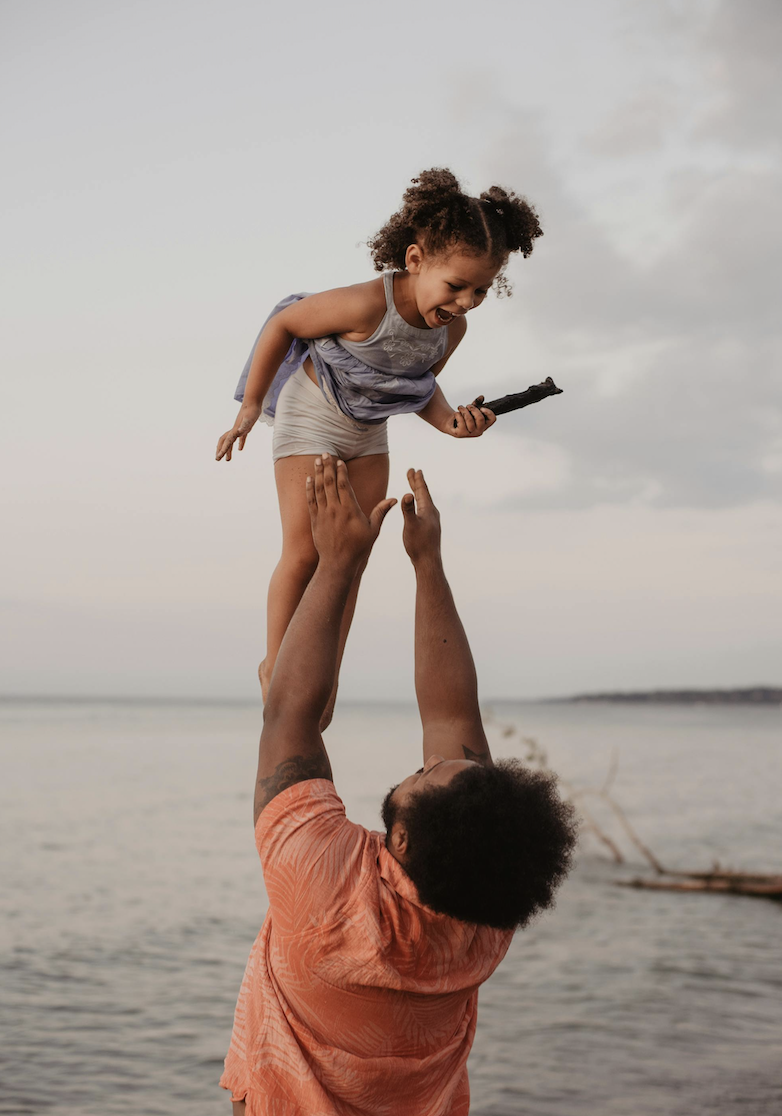
The Importance — and Art — of Roughhousing with Kids
In a world that often encourages kids to sit still, be careful, and keep their hands to themselves, roughhousing can feel a little… rebellious.
And yet — roughhousing is one of the most natural, regulating, bonding, and confidence-building forms of playavailable to children.
It’s not chaos.
It’s not aggression.
And it’s definitely not “bad behavior.”
When done consciously, roughhousing is an art form — one that teaches kids about their bodies, emotions, boundaries, and relationships in a way no lecture ever could.
Let’s talk about why it matters — and how to do it well.
Why Roughhousing Is So Powerful
1. It Helps Kids Regulate Big Energy & Big Feelings
Children are wired for movement. Roughhousing gives them a safe, contained outlet for physical energy, excitement, frustration, and joy.
When kids wrestle, tumble, and play-fight in a loving context, their nervous systems learn:
How to rev up and come back down
How to feel intensity without losing control
How to recover after excitement or frustration
This is emotional regulation in motion.
2. It Builds Emotional Intelligence (Without Words)
During roughhousing, kids are constantly practicing:
Reading facial expressions
Sensing when play is still fun vs. too much
Adjusting their strength and reactions
They learn empathy by feeling it, not being told about it.
That moment when a parent says,
“Whoa — that was too much. Let’s pause,”
teaches more about consent and boundaries than a thousand explanations.
3. It Strengthens the Parent–Child Bond
Roughhousing releases oxytocin — the bonding hormone.
Kids who roughhouse regularly with their parents often feel:
Deeply connected
Secure
Seen and accepted for their full range of energy
For many children, especially highly active or sensitive kids, roughhousing is how they feel most loved.
4. It Builds Confidence & Body Awareness
Roughhousing helps kids learn:
What their bodies can do
How strong they are
How to fall, roll, get back up, and try again
This physical confidence often translates into emotional resilience — kids who trust their bodies tend to trust themselves.
The Art of Roughhousing (Not Just the Act)
Conscious roughhousing isn’t about overpowering your child or “letting them go wild.”
It’s about connection + attunement.
A few golden rules:
The adult stays regulated and present
The child always has a way to stop the game
Laughter is the signal that play is working
Pauses are part of the play
Think playful, not aggressive.
Connected, not chaotic.
Simple Roughhousing Ideas to Try at Home
You don’t need special equipment — just presence and a sense of fun.
1. The Gentle Wrestle
On a carpet or bed, practice playful wrestling with clear rules:
No hitting faces
Tapping means stop
Check in often: “Still fun?”
Let your child “win” sometimes — that sense of mastery matters.
2. Pillow Mountain
Pile up pillows and cushions and let kids:
Climb
Jump
Tumble safely
You can be the “mountain” they climb or the “sleeping bear” guarding the top.
3. Rough-and-Rest Cycles
Alternate 1–2 minutes of active play with a pause:
A hug
Deep breaths together
A quick cuddle
This teaches kids how to transition between high energy and calm.
4. Animal Play
Pretend to be animals together:
Wrestling bear cubs
Playful puppies
Monkey tumbling
Animal play helps kids access instinctual movement while keeping it light and imaginative.
5. Chase & Catch (With Consent)
A classic — with a conscious twist:
Ask first: “Do you want to be chased?”
Let kids choose when to start and stop
End with connection (a hug, laugh, or high five)
A Loving Reminder
If roughhousing wasn’t modeled for you growing up, it can feel unfamiliar — even uncomfortable.
That’s okay.
This is an invitation, not a requirement.
Even a few minutes a week of attuned, playful physical connection can make a profound difference in your child’s sense of safety, confidence, and belonging.
Want to Go Deeper?
If this resonates, I highly recommend the book The Art of Roughhousing.
It beautifully explains:
The science behind roughhousing
How it supports emotional and social development
Practical ways to play safely and consciously
It’s a favorite resource for parents who want to raise confident, connected, resilient kids — without yelling, power struggles, or constant correction.
Sometimes the most powerful parenting tools don’t look like tools at all.
Sometimes… they look like laughter on the living room floor. 🤍
About the Book (A Personal Note 🤍)
A dear friend gifted me The Art of Roughhousing at my baby shower — and it instantly became one of those books I actually used, not just admired on a shelf.
It shifted the way I understood play, connection, and physical bonding with kids. It helped me see roughhousing not as “wild energy to manage,” but as a powerful language of love, regulation, and confidence-building — especially in those early years.
Now? I buy this book for all my mama friends.
It’s my go-to gift for new parents, growing families, and anyone who wants to raise kids who feel:
safe in their bodies
strong in themselves
deeply connected to their parents
If you’re building a home where play, presence, and emotional intelligence matter — this book belongs in it.
For the Love of Play!
Kris @ Soul Tribe