
Prepare Your Child
for Baby
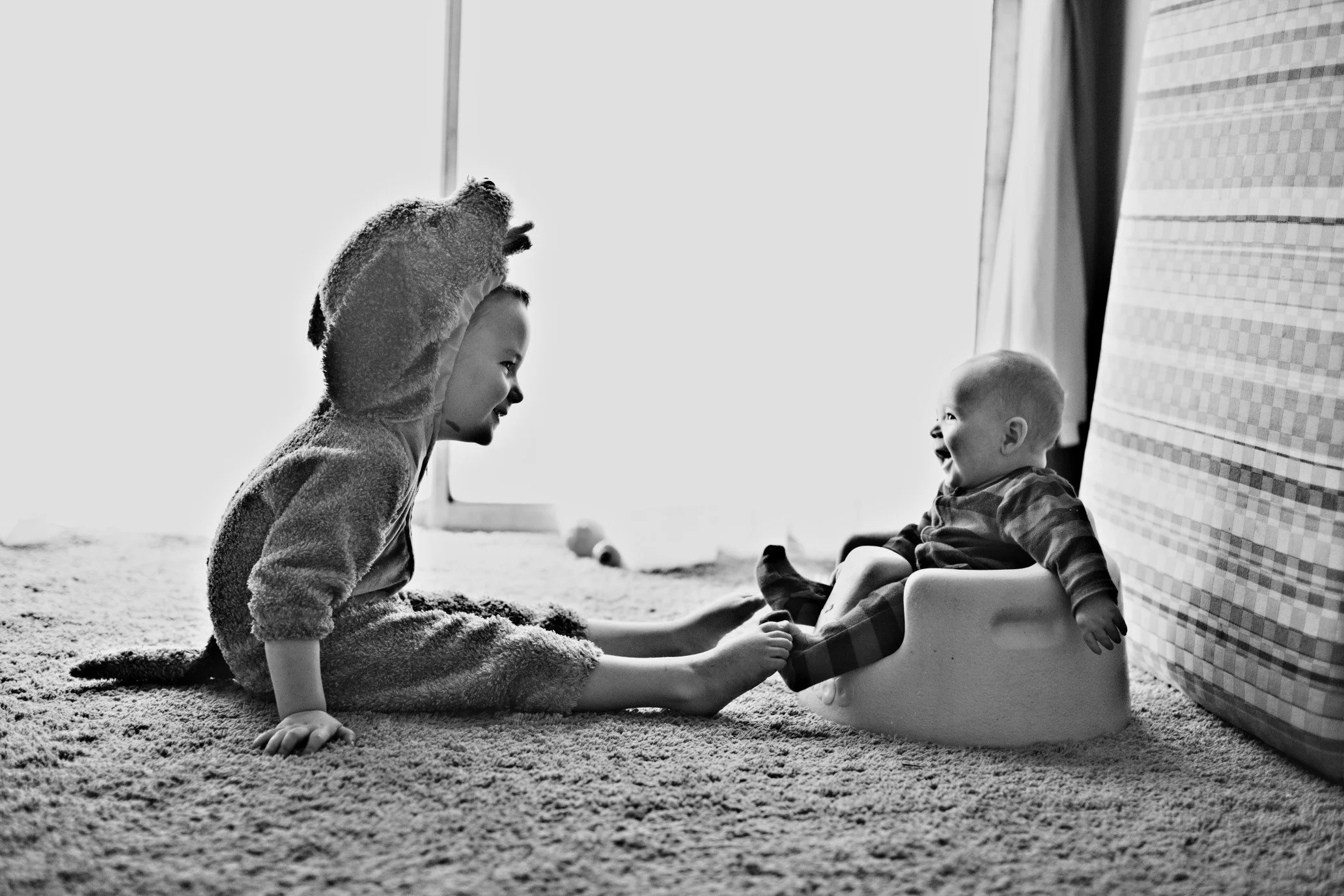
Preparing a child for a new baby is less about explaining logistics and more about tending the heart 🤍
Here’s a peaceful, grounded way to help your child feel safe, included, and deeply loved as your family grows.
1. Start with Emotional Safety (Before Information)
Before you talk about diapers or cribs, anchor your child in what matters most:
Reassure them often:
“My love for you doesn’t change.”
“There is room for everyone in our family.”
“You are still my baby too.”
Children don’t fear the baby—they fear loss of connection.
2. Share the News Gently & Honestly
Choose a calm moment. Keep language simple and age-appropriate.
Avoid overwhelming details.
Let them ask questions at their own pace.
Be honest if things are uncertain: “We’ll figure that out together.”
If emotions come up—excitement, jealousy, sadness—all are welcome.
3. Involve Them in the Journey
Inclusion builds ownership instead of rivalry.
Ideas:
Let them feel the baby kick
Invite them to help choose clothes, toys, or a book
Ask what they think babies need
Let them help create the nursery or baby corner
Say things like:
“This baby is joining OUR family.”
4. Normalize Big Feelings
Let them know it’s okay to feel many things at once.
You can say:
“You can love the baby and still miss me.”
“Sometimes being a big sibling is hard—and that’s normal.”
Avoid phrases like “You’re the big kid now” if it implies pressure or emotional independence too soon.
5. Create Special “Just Us” Rituals
Connection prevents competition.
Before baby arrives:
Establish a weekly Mama + Me (or Parent + Me) ritual
A bedtime routine that stays sacred
A special song, phrase, or cuddle ritual
Tell them:
“This is ours—and it doesn’t go away when the baby comes.”
6. Read Books About Becoming a Sibling
Stories help children process change safely.
Choose books that:
Validate mixed emotions
Don’t shame jealousy
Show parents still loving the older child deeply
Read them together, not as a lesson—but as connection time.
7. Talk About What Life Might Look Like (Gently)
Prepare them without fear.
Explain:
Babies cry because that’s how they talk
Parents may be tired sometimes
There will still be fun, play, and love
Balance honesty with reassurance.
8. Invite Them Into Their New Role—Without Pressure
Instead of assigning responsibility, offer choice.
“Would you like to help or watch?”
“Do you want to show the baby your favorite toy?”
“You don’t have to like the baby all the time.”
Let their role evolve naturally.
9. Plan for the First Meeting
The first moments matter.
Tips:
Greet your older child before introducing the baby
Have the baby placed nearby—not in your arms—if possible
Consider a small “gift from the baby” to the sibling
Speak their name often so they feel seen
10. Trust the Bond Will Grow
Sibling love is not instant—it’s built through safety, time, and connection.
Your child doesn’t need to be excited.
They don’t need to be grateful.
They just need to feel secure in your love.
A Final Reframe 🤍
This transition isn’t about replacing your child’s place—it’s about expanding love.
When a child feels emotionally held, they don’t compete for love.
They rest in it.
✨
SOUL TRIBE