
Ovulation Charting for Conception
A gentle, body-literate guide to timing conception naturally
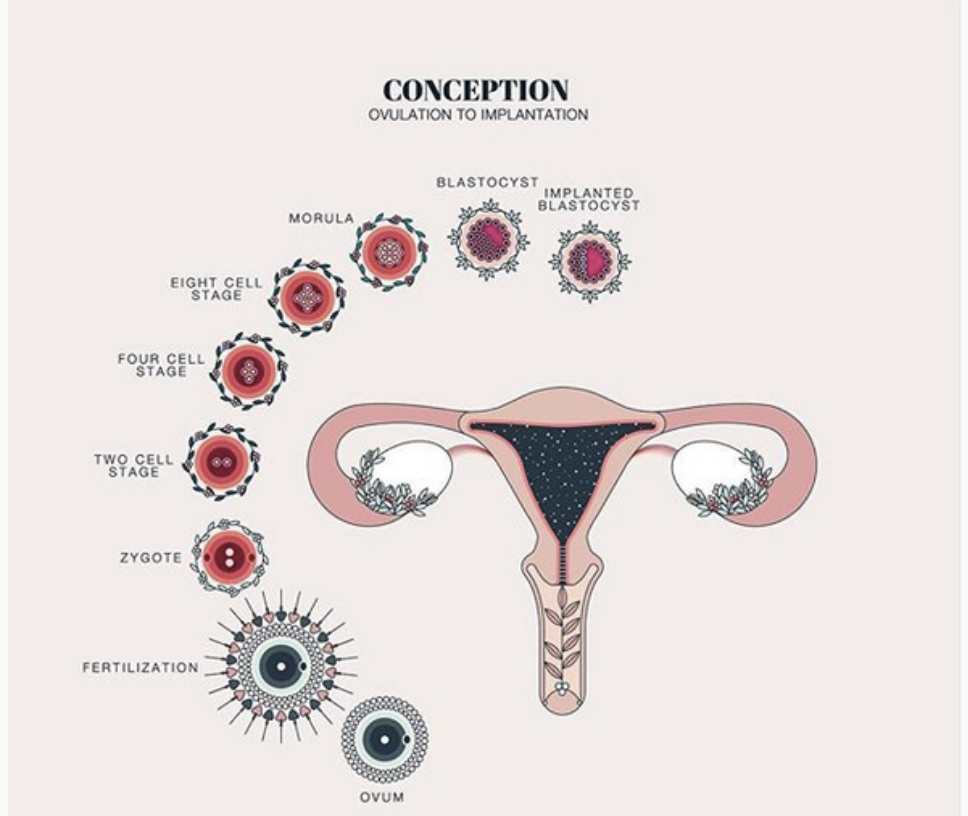
Ovulation charting is one of the most empowering tools for conception. Rather than guessing, you learn to read your body’s natural signals and identify the fertile window—the few precious days each cycle when pregnancy is possible.
This approach builds self-trust, reduces stress, and deepens your connection to your body’s rhythms.
Why Ovulation Charting Matters
You can only conceive during a 5–6 day fertile window each cycle:
The 4–5 days before ovulation
The day of ovulation itself
Charting helps you pinpoint this window with clarity so you can time intercourse intentionally—without pressure or over-trying.
The 4 Core Ovulation Charting Methods
1. Basal Body Temperature (BBT)
Your basal body temperature slightly rises after ovulation due to progesterone.
How it works:
Take your temperature every morning before getting out of bed
Track it daily on a chart or app
A sustained rise confirms ovulation has already occurred
Best for:
Confirming ovulation patterns
Learning cycle consistency over time
Tip: BBT confirms ovulation after the fact, so pair it with other methods for timing conception.
2. Cervical Mucus Tracking (Highly Important)
Cervical mucus changes throughout your cycle and is one of the most accurate real-time fertility signs.
What to look for:
Dry or sticky → low fertility
Creamy → fertility rising
Egg-white, slippery, stretchy → peak fertility
This fertile-quality mucus helps sperm survive and travel to the egg.
Best for:
Identifying ovulation before it happens
Timing intercourse during peak fertility
3. Ovulation Predictor Kits (OPKs)
OPKs detect the LH surge, which occurs 12–36 hours before ovulation.
How to use:
Begin testing a few days before expected ovulation
A positive result signals ovulation is imminent
Aim to conceive the day of the positive test and the next 1–2 days
Best for:
Clear, simple timing
Pairing with cervical mucus for accuracy
4. Cycle Length Awareness
Ovulation usually occurs 12–14 days before your next period, not always on day 14.
Tracking multiple cycles helps you:
Predict ovulation windows
Understand luteal phase length
Spot irregularities early
How to Chart for Conception (Simple Flow)
Track your cycle start date (Day 1 = first day of bleeding)
Observe cervical mucus daily
Use OPKs as ovulation approaches
Track BBT for confirmation
Have intercourse every 1–2 days during fertile mucus + positive OPK window
Consistency matters more than perfection.
A Nervous-System-Friendly Note
Ovulation charting is meant to support conception—not create pressure.
If charting starts to feel stressful:
Step back
Simplify to 1–2 methods
Focus on connection, nourishment, and rest
Your body responds best when it feels safe and supported.
Conscious Conception Reframe
Ovulation charting isn’t just data—it’s devotion.
Each cycle you observe, you’re listening.
Each pattern you learn, you’re trusting.
Each choice you make, you’re preparing your body and spirit to receive.
Your body already knows how to create life.
Charting simply helps you remember how to listen.