
Why Letting Your Child Have a
“Secret Space” at Home
Is So Good for Them
Every child longs for a space that feels like theirs. Not shared. Not managed. Not corrected. Just a little corner of the world where they get to decide what happens.
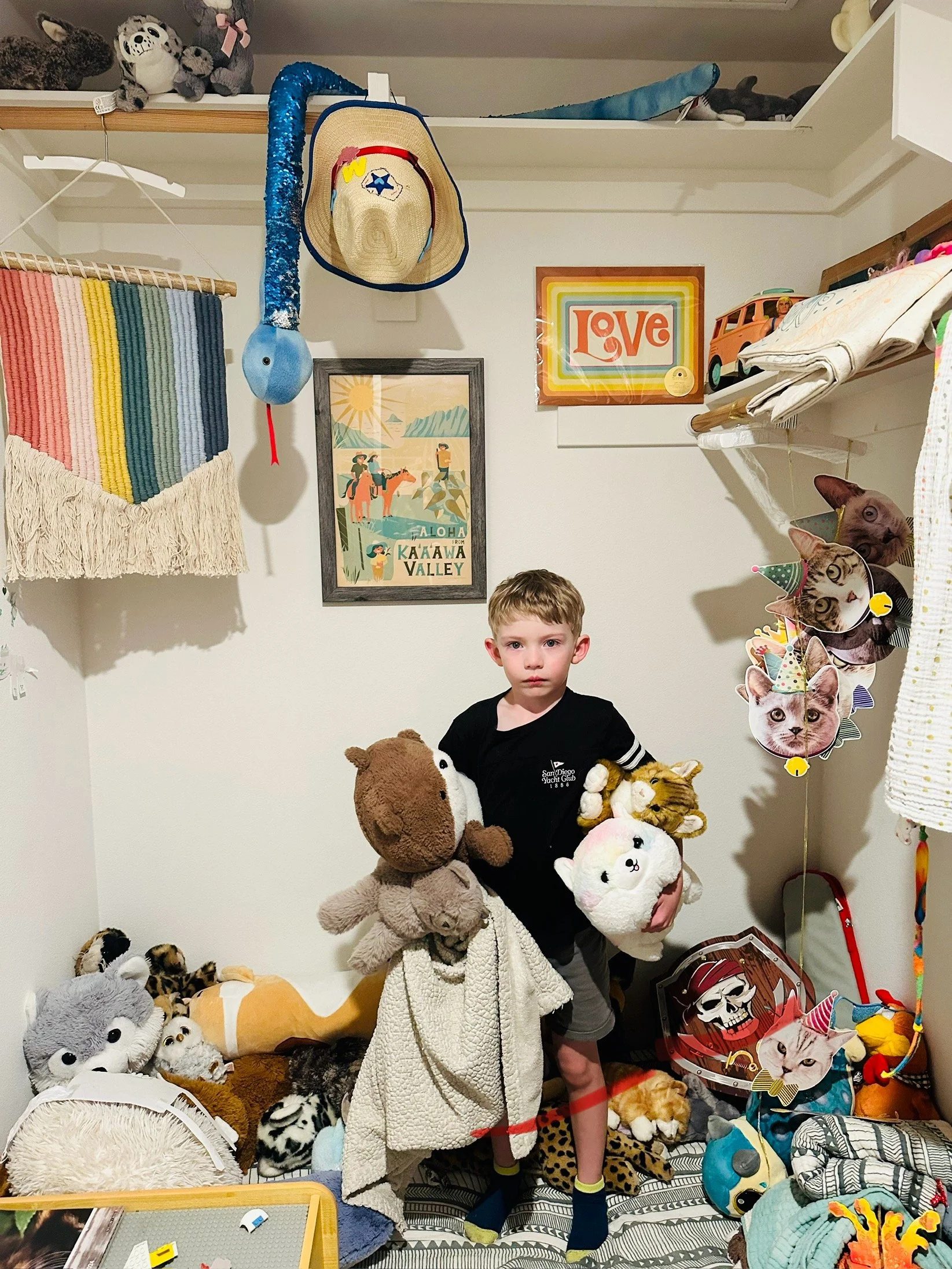
Whether it’s a closet turned reading nook, a fort under the stairs, a tent in their room, or a bonus room they decorate themselves, giving your child their own “secret space” — a kid-version of a man cave — can be incredibly powerful for their emotional development.
And yes… even if it gets messy.
It Builds Independence & Autonomy
When kids are allowed to design and manage their own space, they learn decision-making in a low-stakes, safe way.
They choose how it looks. What lives there. What matters.
This sends a quiet but profound message:
“I trust you.”
That trust builds confidence — and confident kids make better choices over time.
It Encourages Creativity (Without Adult Interference)
When children aren’t worried about things being “right,” they create freely. Walls might get covered in drawings. Stuffed animals become characters. Blankets turn into castles.
This kind of unstructured creativity fuels imagination, problem-solving, and emotional expression — all without a single worksheet or app.
It Gives Them a Safe Place to Feel
Kids have big emotions and few places to process them. A secret space becomes:
A calm-down zone
A thinking spot
A place to feel sad, mad, or dreamy
A retreat when the world feels loud
Having a space where they don’t have to explain themselves helps children learn emotional self-regulation naturally.
It Supports Healthy Boundaries
Ironically, giving kids their own space helps them respect others’ boundaries too. When they experience ownership, privacy, and autonomy, they learn that other people deserve the same.
You’re modeling consent and respect — without a lecture.
It Strengthens Your Relationship
When kids feel trusted and respected at home, they don’t need to rebel to claim independence.
They already have it.
A child who feels safe to be themselves is far more likely to stay connected, communicate openly, and invite you into their inner world.
How to Create a Kid “Cave” (Without Overthinking It)
Let them choose the spot — even if it’s small
Allow them to decorate it however they want
Set only safety-based boundaries
Resist the urge to fix, organize, or redesign
Knock or ask before entering (when possible)
Perfection is not the goal. Ownership is.
Giving your child a secret space isn’t spoiling them.
It’s honoring their inner world.
You’re not losing control —
you’re raising a child who feels safe, trusted, and free to be themselves 🤍
THE SOUL TRIBE