
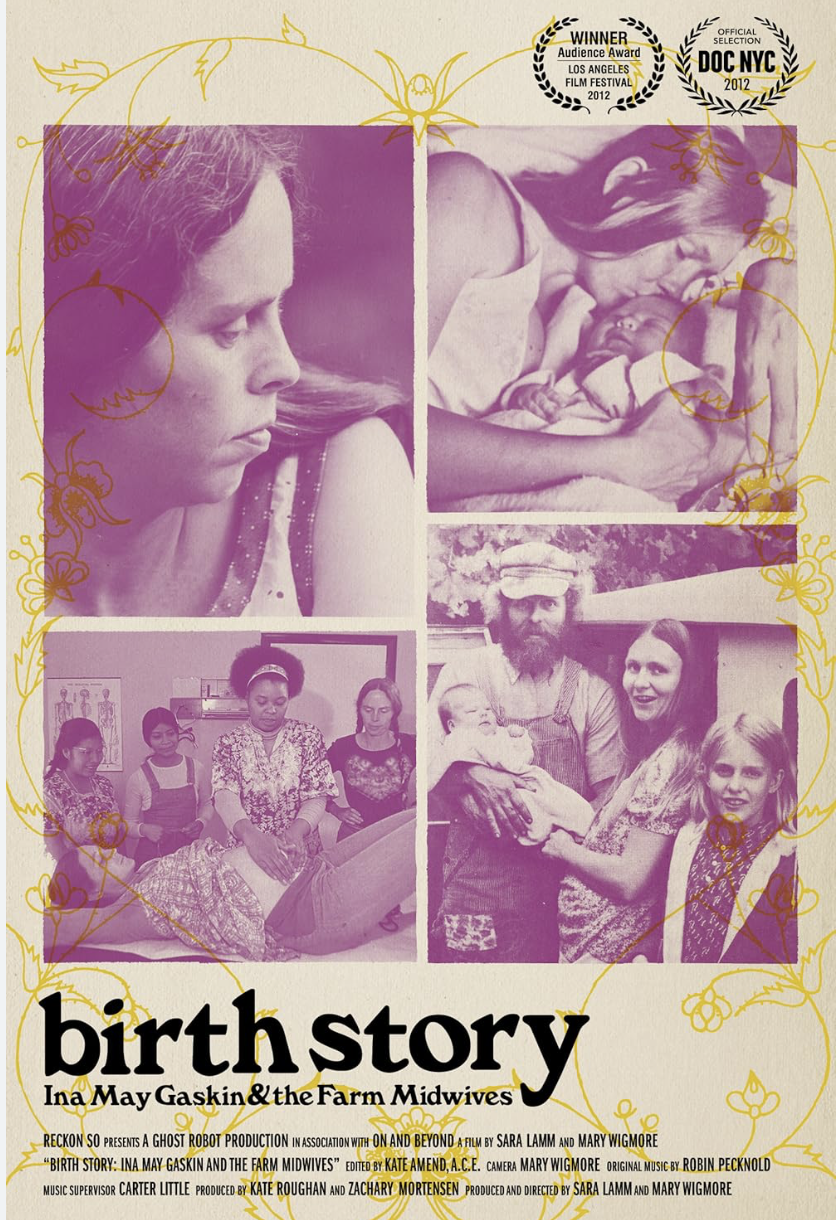
Ina May Gaskin
and the Return to Home Birth
as a Natural Right
For generations, birth drifted away from the home and into highly medicalized settings—often leaving mothers feeling passive in one of the most powerful experiences of their lives. One woman played a pivotal role in gently but boldly shifting that narrative back toward trust, physiology, and maternal wisdom: Ina May Gaskin.
Her work helped spark a global conversation that birth is not merely a medical event—but a natural, physiological process that deserves reverence, patience, and respect.
Ina May Gaskin’s Background
Ina May Gaskin is an American midwife, author, and educator, best known for her role in the natural childbirth movement. She became involved in midwifery in the early 1970s while living at The Farm Midwifery Center, a rural intentional community in Tennessee.
At a time when hospital births were becoming increasingly intervention-heavy, Ina May and her fellow midwives began supporting home births, relying on traditional midwifery knowledge, careful observation, and deep trust in the female body.
What emerged was something remarkable: exceptionally low complication rates and outcomes that rivaled—or exceeded—those of hospitals for low-risk pregnancies.
Reclaiming Birth as a Woman’s Natural Right
Ina May’s philosophy is simple yet revolutionary:
A woman’s body knows how to give birth.
She challenged the idea that birth automatically requires intervention and instead taught that fear, tension, and loss of agency often create complications—not nature itself. Through her teachings, lectures, and books (most famously Spiritual Midwifery), she reframed childbirth as something to be honored rather than managed.
For countless mothers, her work restored confidence, autonomy, and trust—especially for those who felt disempowered by previous birth experiences.
The Ripple Effect on Modern Maternity Care
While not all mothers choose or are able to have home births, Ina May’s work helped change the broader culture of birth—including how hospitals approach labor and delivery today.
As the natural birth movement gained momentum, hospitals began listening.
One of the most meaningful changes inspired by this shift is the widespread adoption of practices that center the mother-baby bond, most notably the Golden Hour.
The Golden Hour: A Gentle Revolution
The Golden Hour refers to the first hour immediately after birth, now widely recognized as a crucial time for bonding and regulation.
During this hour:
The baby is placed skin-to-skin on the mother’s chest
The infant’s breathing, heart rate, and temperature naturally stabilize
Early breastfeeding is encouraged
Oxytocin (the bonding hormone) floods both mother and baby
This practice stands in stark contrast to earlier hospital protocols, where babies were often whisked away for observation for hours, interrupting bonding at one of its most sensitive moments.
Today, because of the paradigm shift championed by midwives like Ina May, many hospitals now prioritize keeping mother and baby together whenever possible.
Bridging Nature and Modern Medicine
Perhaps the most beautiful outcome of Ina May Gaskin’s legacy is not an “either/or” debate between home birth and hospital birth—but a both/and approach.
Her work helped remind the medical world that:
Birth is physiological, not pathological
Mothers deserve agency and respect
Safety and gentleness can coexist
Modern maternity care continues to evolve because of this wisdom—blending the life-saving capabilities of technology with practices that honor what nature intended.
A Lasting Legacy
Ina May Gaskin didn’t just bring home birth back into the conversation—she brought trust in women back to birth.
Her influence can be felt in birthing rooms across the world:
In the dimmed lights
In skin-to-skin first moments
In mothers being listened to
In the recognition that birth is not something to fear—but something to support
Whether a mother gives birth at home, in a birth center, or in a hospital, her legacy lives on in every moment where
connection, dignity, and respect are placed at the center of birth.
And that has changed everything. 🤍
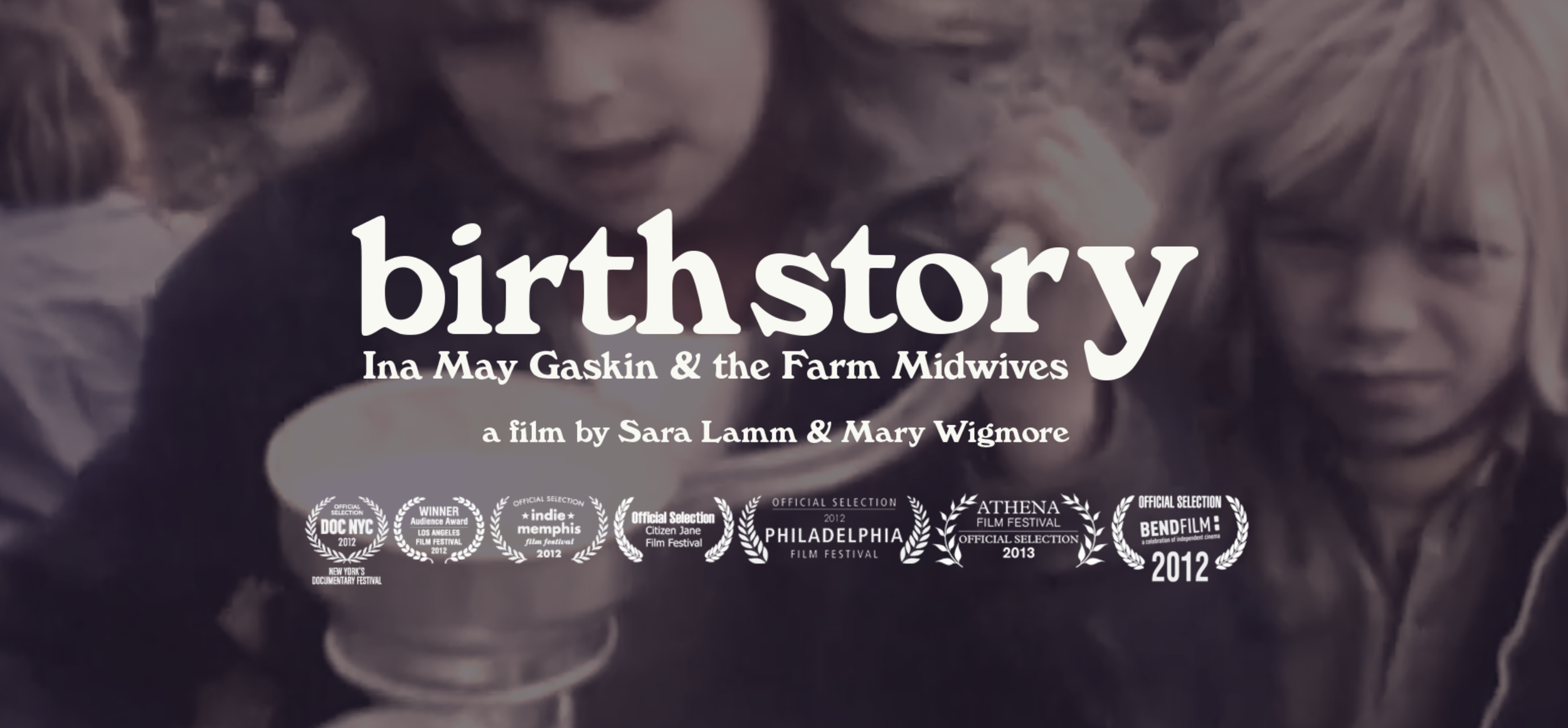
Ina May Gaskin’s life and work are also beautifully captured in the documentary Birth Story: Ina May Gaskin and the Farm Midwives. The film follows Ina May and the midwives of The Farm as they attend home births and share the philosophy that birth is a natural, powerful rite of passage—not something to be feared or rushed. Through intimate birth footage and heartfelt storytelling, the documentary highlights the deep trust between mothers and midwives and shows what becomes possible when women are supported, respected, and allowed to birth in their own strength.
LORI BREGMAN
THE MODERN DOULA
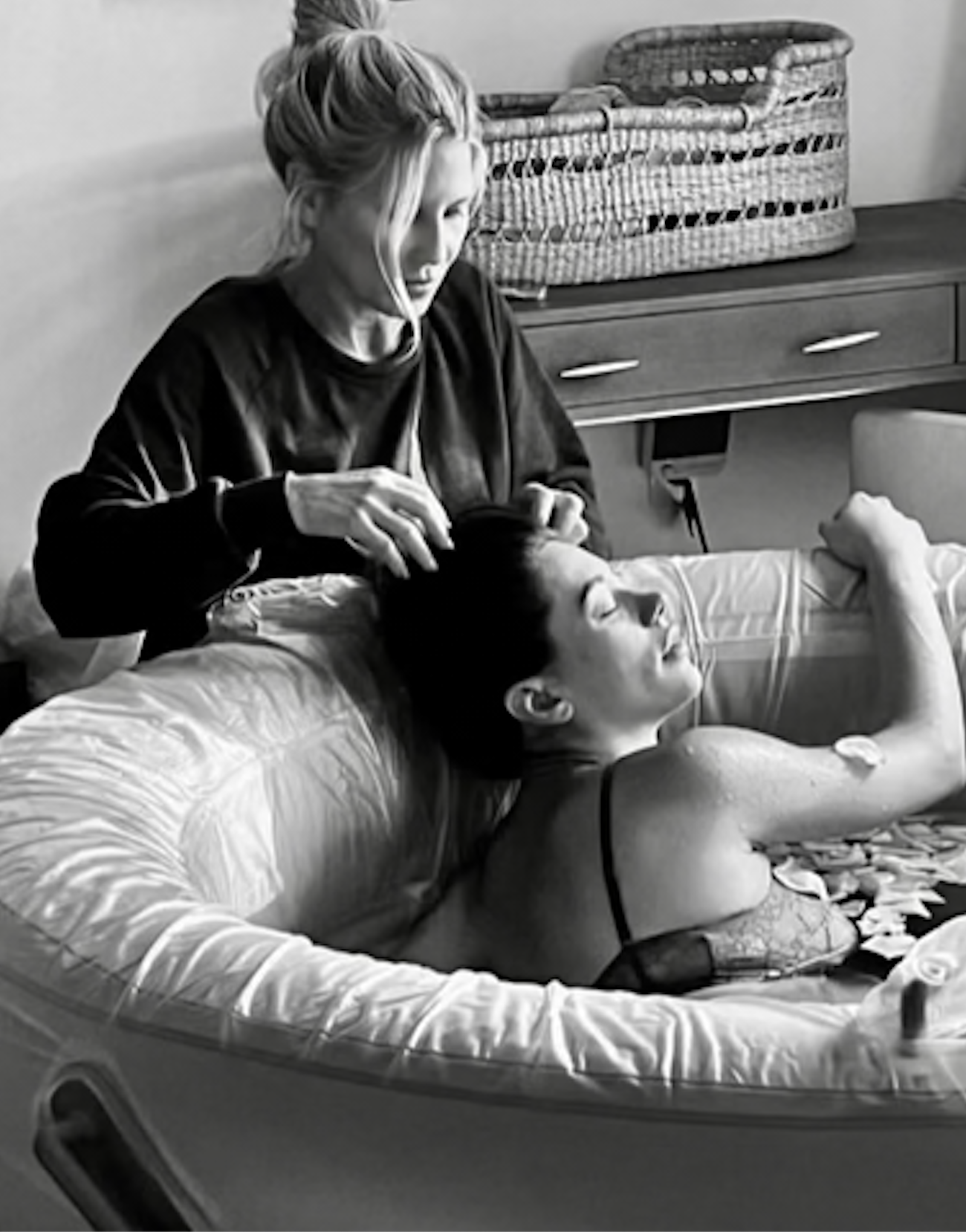
Another influential voice in the movement toward empowered, gentle birth is Lori Bregman, a modern doula, birth educator, and author who has helped bring doula support into the mainstream conversation around childbirth. Through her books, courses, and advocacy, Lori encourages families to recognize the value of continuous emotional and physical support during labor—whether at home, in a birth center, or in a hospital. If you’re interested in experiencing this kind of care for yourself, you can find midwives and doulas in your area through local birth networks, referral communities, and professional associations. Just be sure to ask for recommendations, read reviews, and meet with potential providersso that you choose someone whose philosophy, experience, and presence feel like a good fit for you and your family.
How to Find a Midwife or Doula (and Choose the Right One)
If you’re feeling drawn to home birth—or simply want more support during pregnancy and labor—finding the rightmidwife or doula is key. Word of mouth and alignment matter just as much as credentials.
Trusted Doula & Midwife Directories
These organizations offer searchable directories by location:
DONA International – One of the largest and most established doula organizations
Midwives Alliance of North America – Excellent resource for certified professional midwives
American College of Nurse-Midwives – Helpful if you’re exploring hospital or birth center midwives
Evidence Based Birth – Great education + provider-finding tools
You can also ask:
Local birth centers
Prenatal yoga teachers
Childbirth educators
Other mothers in your community
Personal recommendations are often the most valuable.
Questions to Ask When Interviewing a Midwife or Doula
Choosing a birth support provider is deeply personal. These questions can help you feel into alignment:
What is your philosophy around birth?
How do you support natural, physiological labor?
How do you handle unexpected situations or transfers?
How many births have you attended?
What does support look like before, during, and after birth?
How do you partner with the birthing parent and family?
What do past clients say about working with you?
Pay attention not just to the answers—but to how you feel when you’re with them. Trust, calm, and safety are everything.
A Gentle Reminder
Whether you choose a home birth, birth center, or hospital birth, having the right support can completely transform your experience. When a woman feels safe, informed, and supported, birth becomes something she participates in—not something that happens to her.
Your intuition matters.
Your comfort matters.
And you deserve a birth team that truly honors you. 🤍