
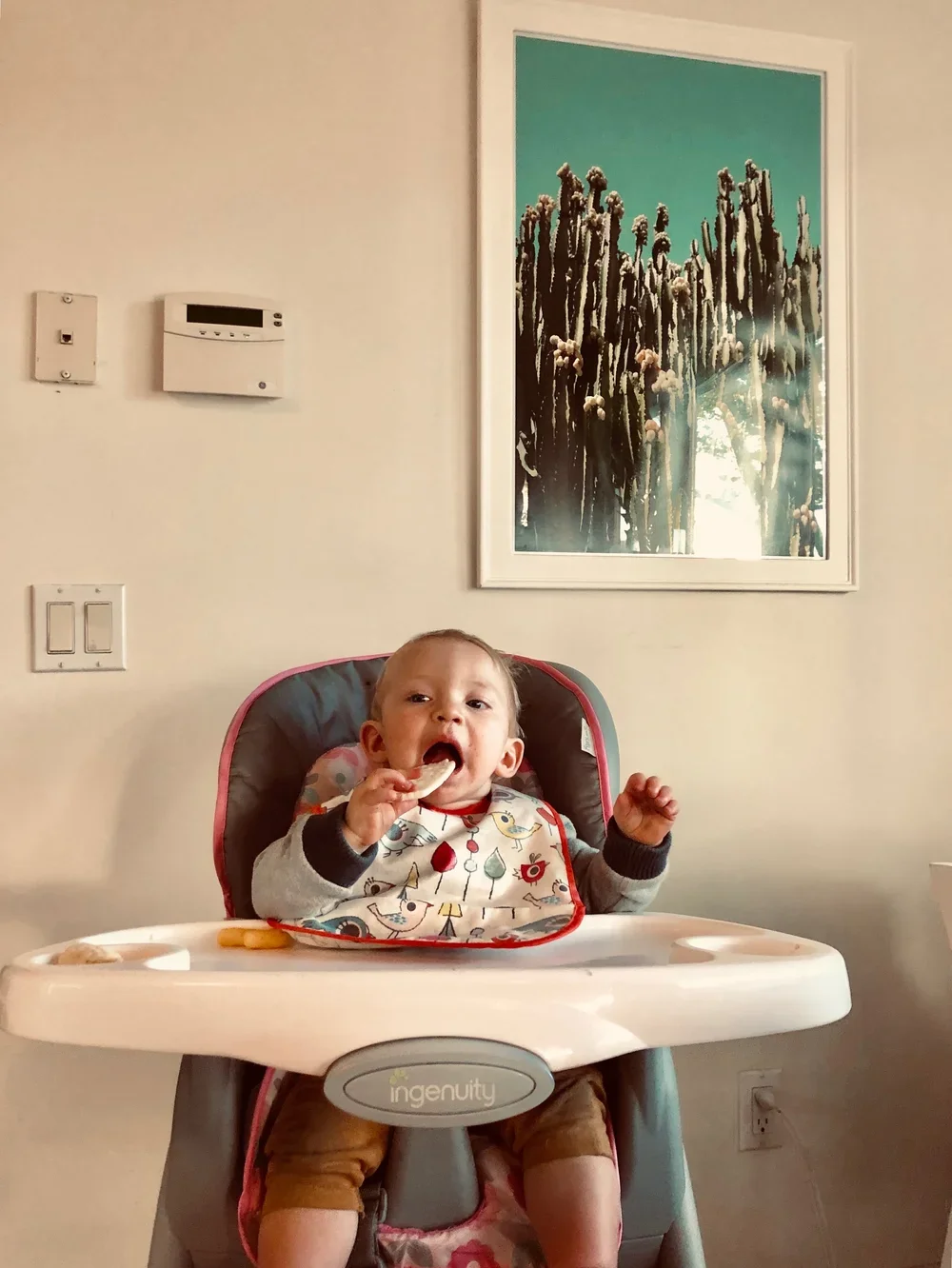
Homemade Baby Food: A Loving First Step in Nourishing Your Baby
There’s something deeply grounding about preparing food for your baby with your own hands. It’s not about being perfect or doing more — it’s about connection, intuition, and offering nourishment that feels intentional and loving.
Homemade baby food doesn’t have to be complicated or time-consuming. In fact, it can be one of the simplest ways to support your baby’s health while building confidence in your own instincts as a parent.
Why So Many Parents Choose Homemade Baby Food
Making baby food at home allows you to:
Know exactly what’s going into your baby’s body
Skip unnecessary additives and preservatives
Introduce real flavors from the very beginning
Align your baby’s meals with your family’s values
Create a calm, mindful food relationship early on
It’s not about doing “better” than anyone else — it’s about doing what feels right for your family.
When to Start
Most babies are ready to explore solid foods around 6 months, when they can:
Sit with support
Bring food to their mouth
Show curiosity about what you’re eating
Always follow your pediatrician’s guidance and trust your baby’s cues. There’s no rush.
Simple Foods to Start With
You don’t need elaborate recipes. Single-ingredient foods are perfect for early exploration:
Great first foods include:
Steamed sweet potato
Avocado
Banana
Carrot
Pear or apple (steamed)
Zucchini
Squash
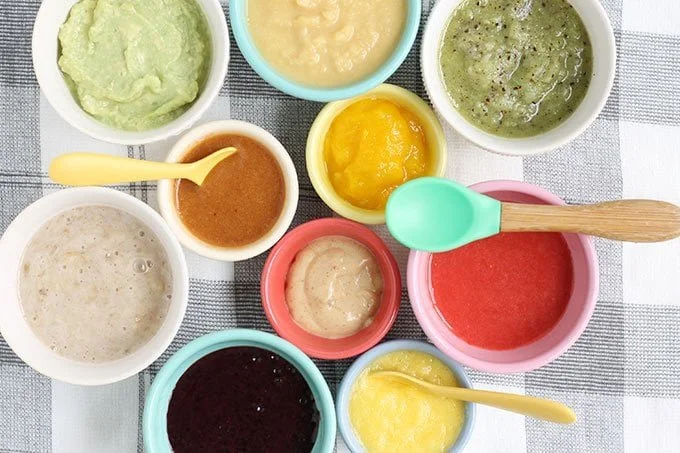
Steam until soft, then mash or blend with a little water, breast milk, or formula to reach the texture your baby needs.
Texture Matters More Than Perfection
Baby food doesn’t need to be perfectly smooth forever. As your baby grows, textures can evolve — from purées to mashed foods to soft finger-sized pieces.
Let your baby explore. Mess is part of the learning.
Baby-Led Weaning or Purées — Or Both
There’s no one “right” way.
Some families start with purées.
Some choose baby-led weaning.
Many do a mix of both.
What matters most is:
Safe textures
Supervision
A relaxed, pressure-free environment
Babies learn to trust food when meals feel calm and joyful.
Batch Cooking Made Easy
One of the easiest ways to make homemade baby food sustainable is to batch cook.
Steam a few vegetables at once
Blend or mash
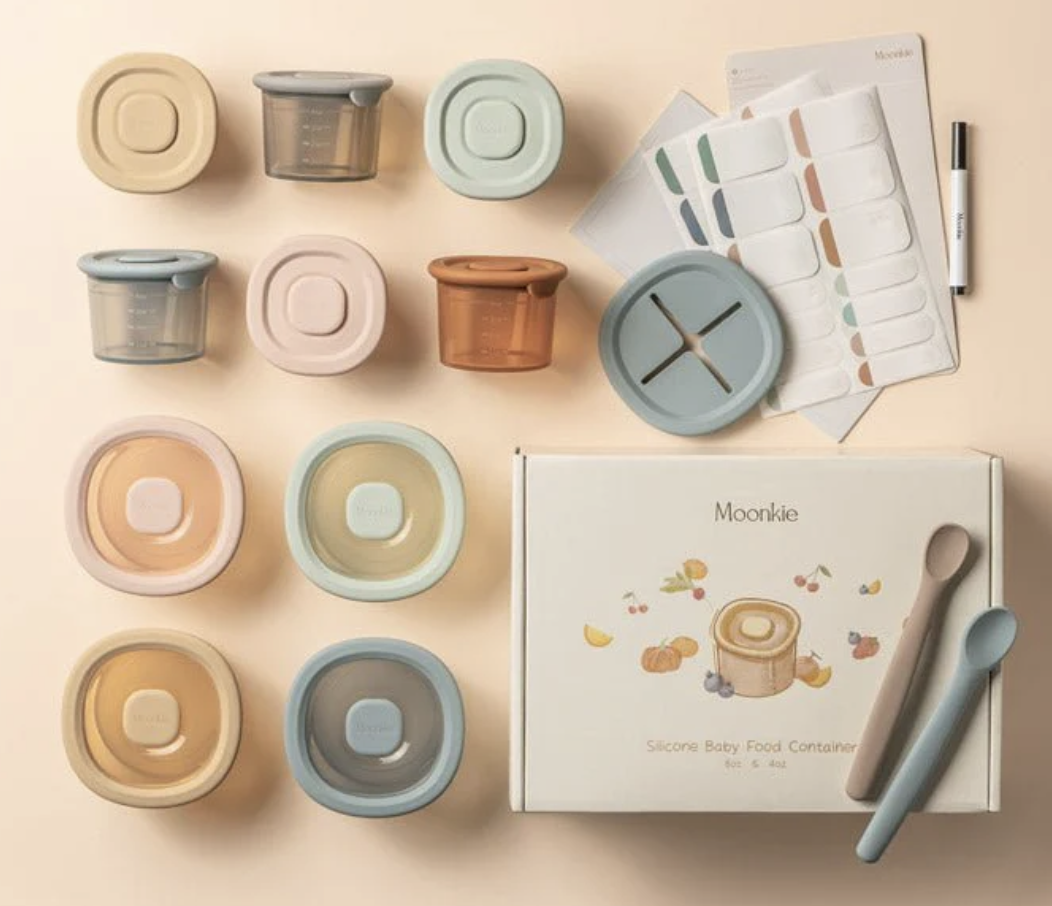
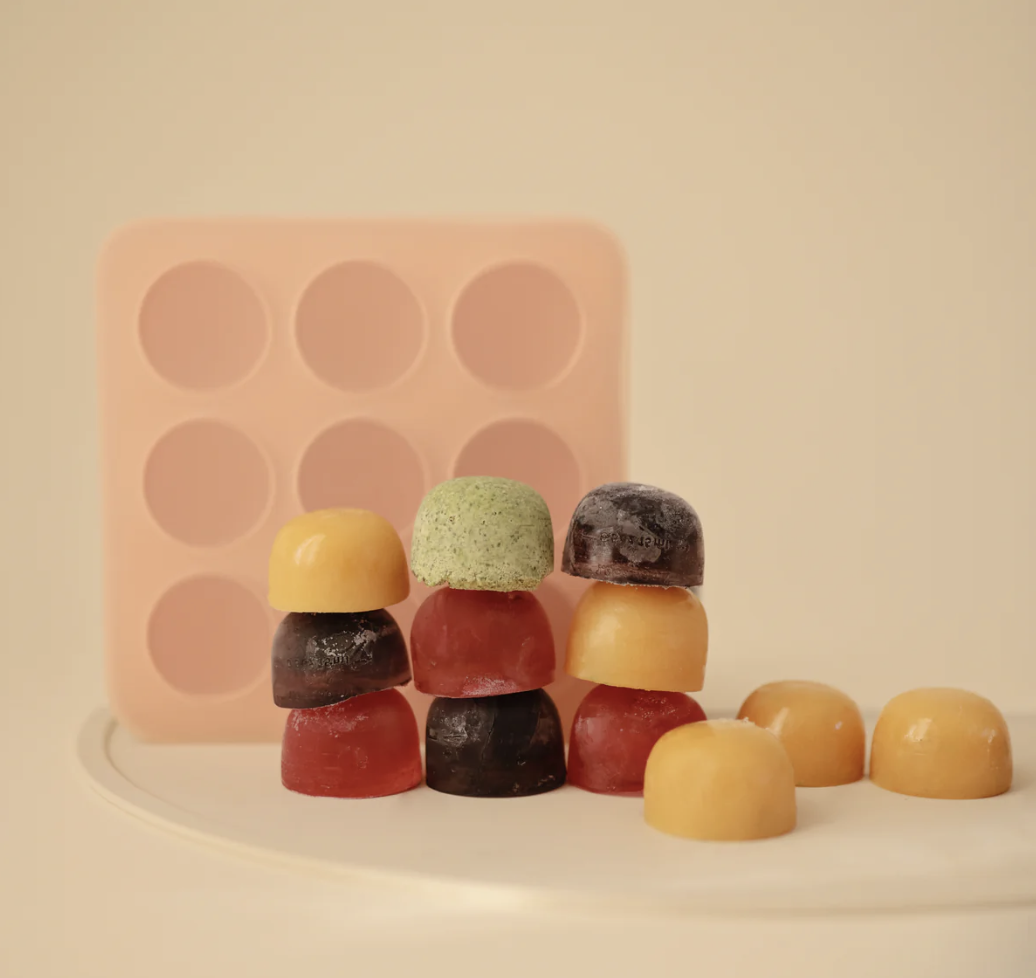
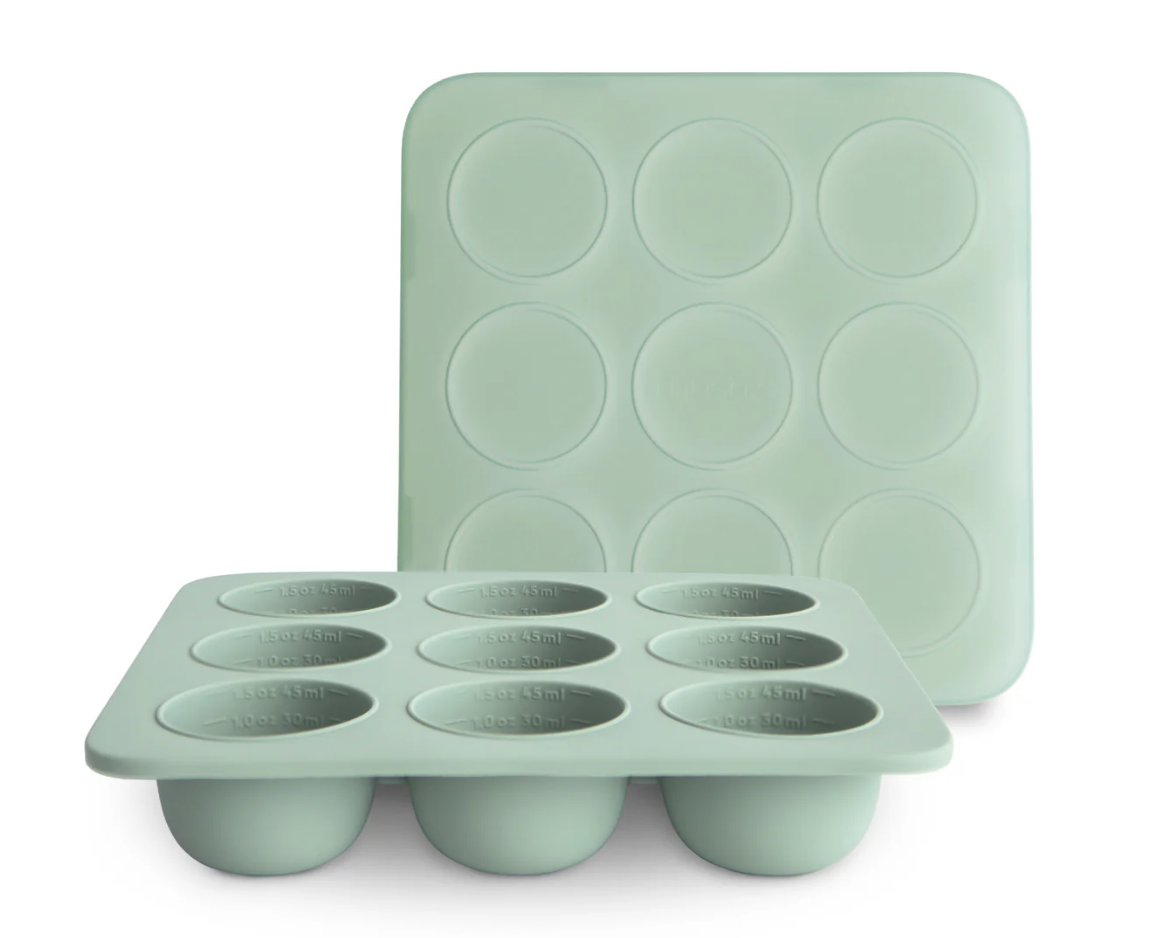
Freeze in ice cube trays
Store in labeled freezer bags
Now you have ready-to-go meals without daily prep.
Safety Tips to Keep in Mind
Always supervise your baby while eating
Avoid honey before age one
Introduce common allergens one at a time (with guidance)
Cut foods appropriately to prevent choking
Trust your baby’s pace — intake will vary day to day
Building a Healthy Food Relationship From the Start
When we offer real food without pressure, babies learn:
Hunger and fullness cues
Curiosity instead of control
Trust in their own body
Homemade baby food isn’t just about nutrition — it’s about laying the foundation for a peaceful relationship with food that can last a lifetime.
A Gentle Reminder for Parents
You don’t have to make everything from scratch.
You don’t have to do this perfectly.
You don’t have to compare yourself to anyone else.
Some days you’ll cook.
Some days you’ll buy a jar.
Both can coexist beautifully.
What your baby feels most is your presence, your love, and the energy you bring to the table.
And that is more than enough 🤍
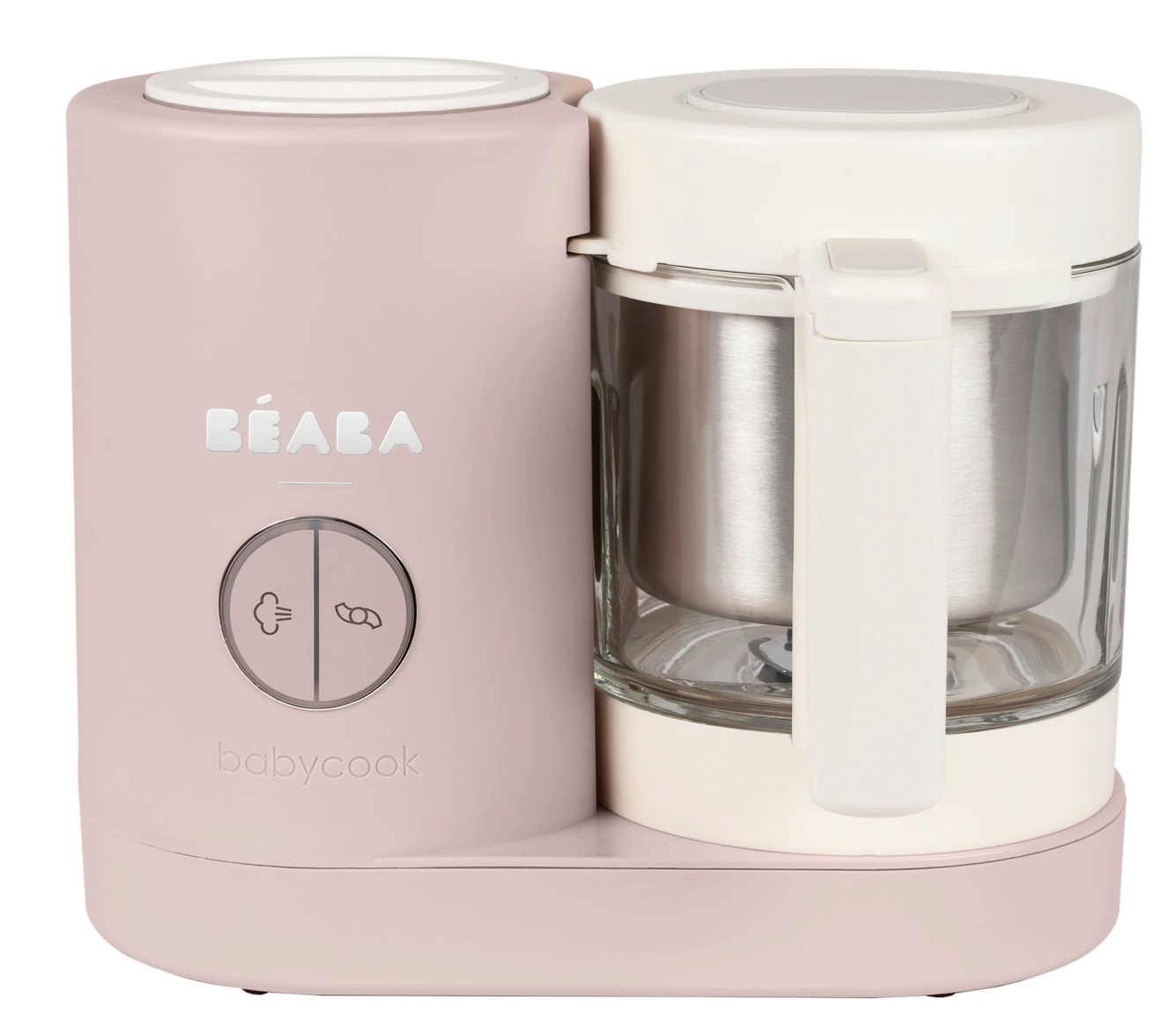
Together, inspirational recipe sites and smart kitchen tools
can make the journey to homemade baby food feel joyful instead of daunting.
Whether you’re trying your first purée or planning weekly meals,
these resources help you offer your baby nutritious, flavorful food you control —
and confidence in your own choices as a parent. 🥄💛

First Foods Chart by Age
A gentle guide to introducing solids
Reminder: Ages are guidelines, not rules. Always follow your pediatrician’s advice and your baby’s readiness cues.
🌱 Around 6 Months
Focus: Exploration, single ingredients, smooth textures
Textures:
Smooth purées
Mashed with liquid (breast milk, formula, or water)
First Foods to Try:
Avocado
Banana
Sweet potato
Carrot
Pear (steamed)
Apple (steamed)
Zucchini
Squash
Tip: Offer one new food at a time and watch for reactions. The goal here is curiosity, not calories.
🌼 7–8 Months
Focus: Variety, slightly thicker textures, gentle combinations
Textures:
Thicker purées
Soft mashed foods
Foods to Introduce:
Oatmeal or iron-fortified baby cereal
Lentils (well cooked & puréed)
Peas
Mango
Yogurt (plain, full-fat)
Pumpkin
Chicken or turkey (puréed with veggies or broth)
Tip: Iron becomes especially important around this stage — pairing foods with vitamin C helps absorption.
🌻 8–9 Months
Focus: Texture exploration, finger foods, independence
Textures:
Mashed
Soft chunks
Baby-led weaning shapes
Foods to Try:
Scrambled egg (fully cooked)
Soft roasted veggies
Avocado slices
Banana sticks
Soft pasta
Beans (mashed or split)
Cottage cheese
Tofu
Tip: Expect mess. Mess = learning.
🌞 9–10 Months
Focus: Chewing skills, combination meals
Textures:
Chunky mashed
Small, soft pieces
Foods to Add:
Shredded chicken
Ground meat
Rice and quinoa
Soft pancakes or muffins (low sugar)
Mixed veggie blends
Nut butters (thinly spread or mixed into foods)
Tip: Babies begin mimicking eating — eating together helps build confidence.
🌈 10–12 Months
Focus: Transitioning to family foods
Textures:
Chopped
Bite-sized pieces
Foods Include:
Most family foods (lightly seasoned, soft)
Fruits and veggies of all kinds
Whole grains
Beans and legumes
Dairy (if tolerated)
Avoid:
Honey
Whole nuts
Hard/raw foods that pose choking risks
Tip: Let your baby guide how much they eat — trust their hunger and fullness cues.
Common Allergen Introduction (With Guidance)
Often introduced after 6 months, one at a time:
Peanut butter
Egg
Dairy
Wheat
Fish
Always consult your pediatrician, especially if allergies run in your family.
A Gentle Reminder for Parents 🤍
Some days your baby will eat a lot. Some days barely anything. Both are normal.
Food before one is about learning, not perfection.
Store-bought and homemade foods can beautifully coexist.
Your calm presence matters more than what’s on the spoon.
You are doing an amazing job nourishing your baby — body, heart, and soul ✨