Gardening With Kids: Growing More Than Just Plants
A peaceful parenting approach to connection, patience, and wonder—rooted in nature
Gardening with children is about so much more than soil and seeds. It’s about slowing down, tuning in, and giving kids the rare gift of watching life unfold in real time. In a world of instant gratification, gardening invites children into a rhythm that is calm, grounding, and deeply nourishing.
From a peaceful parenting perspective, the garden becomes a classroom for emotional regulation, responsibility, curiosity, and connection—with each other and with the earth.
Why Gardening Is So Powerful for Children
Gardening naturally supports children’s emotional and nervous-system health. It encourages presence, patience, and sensory engagement—all foundational elements of peaceful parenting.
When children garden, they learn:
How to slow down and focus
That growth takes time
Responsibility through gentle care
Confidence from contributing meaningfully
Respect for nature and where food comes from
It’s one of the simplest ways to invite mindfulness into family life—without calling it mindfulness.
Start Small and Let Curiosity Lead
Peaceful parenting reminds us: children thrive when they feel ownership and choice.
Instead of overwhelming kids with big projects, begin small:
One pot
One raised bed
A few favorite plants
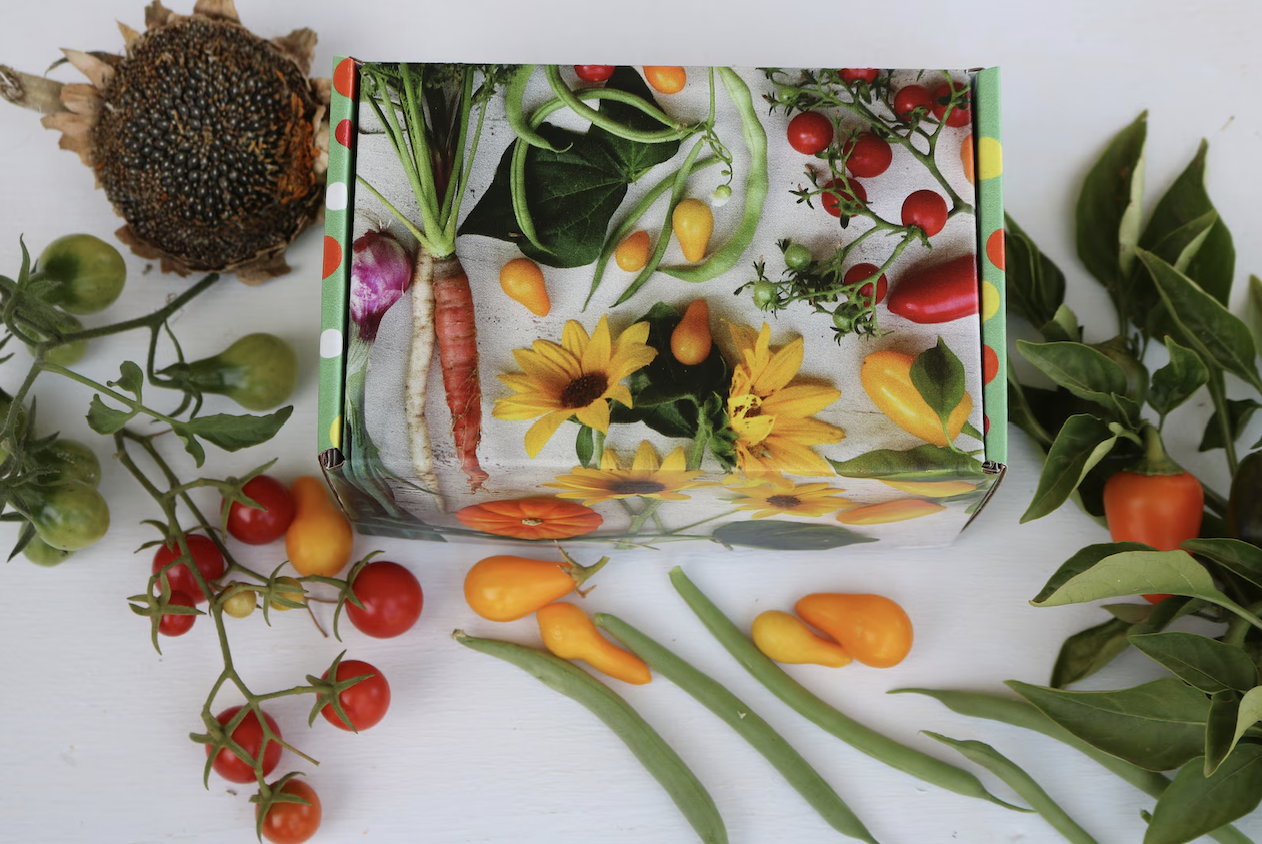
Let your child choose what to grow. Strawberries, sunflowers, herbs, tomatoes, and peas are especially rewarding for little hands. When kids feel involved in the decision, they’re naturally more engaged in the process.
Focus on the Process, Not the Outcome
Plants will wilt. Seeds won’t sprout. Leaves will get eaten. And that’s okay.
Gardening teaches children something profound:
Failure is part of growth—not something to fear.
Instead of correcting or rescuing, try:
“What do you notice happening?”
“What do you think this plant needs?”
“Let’s see what happens next.”
These moments build problem-solving skills, resilience, and trust in the learning process.
Make Gardening a Weekly Family Ritual
Just like family dinners or weekly family days, gardening becomes most powerful when it’s consistent.
Choose a regular time to:
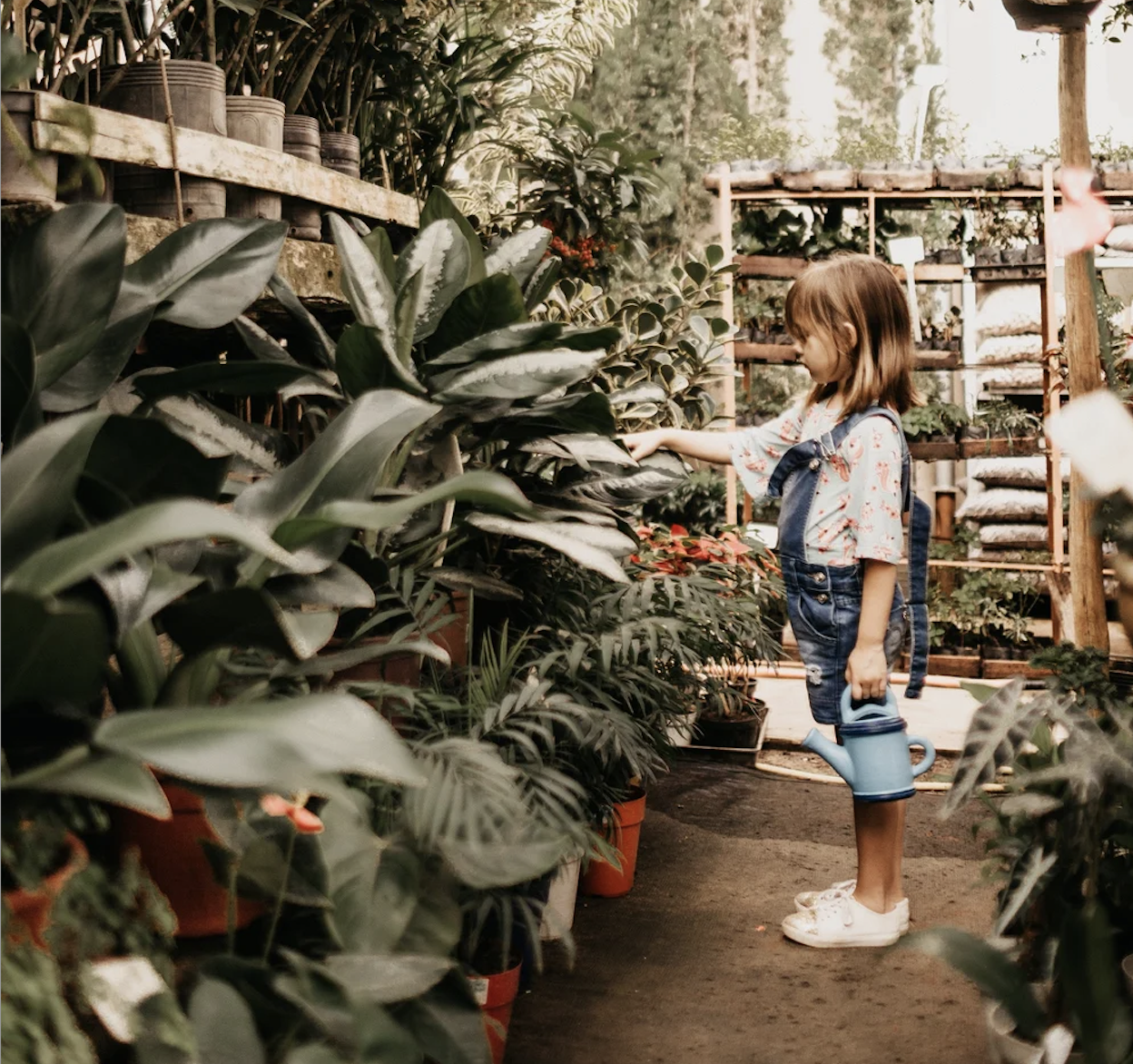
Water together
Check for growth
Harvest what’s ready
Talk about changes you notice
These quiet moments often open the door to the best conversations—unforced, natural, and meaningful.
Let the Garden Support Emotional Regulation
There’s something incredibly calming about digging in the dirt, touching leaves, and being outside. Gardening naturally helps children regulate big emotions.
When emotions are running high, the garden can become a safe place to:
Breathe fresh air
Move the body gently
Feel grounded through the senses
You might be surprised how often a child who’s overwhelmed indoors becomes calm and focused outside.
Use the Right Tools to Empower Kids
Child-sized tools make a big difference. When kids have tools designed for their bodies, they feel capable and confident instead of frustrated.
This is where thoughtfully designed gardening systems—like those from Gardenary Co—can be especially helpful. Their raised-bed garden designs make it easier for families (and kids) to access plants, see progress clearly, and care for a garden without overwhelm.
Gardens that are simple, organized, and accessible invite children in instead of pushing them away.
Celebrate Harvests—Big or Small
Whether it’s one tomato or a full basket of greens, celebration matters.
Take time to:
Harvest together
Wash and prepare food as a family
Cook or taste what you’ve grown
Acknowledge the effort involved
This helps children connect effort to reward—and feel proud of their contribution.
Gardening Builds Family Culture
Over time, gardening becomes more than an activity—it becomes part of your family’s rhythm and identity.
Children raised with hands in the soil often grow up:
More connected to nature
More patient and grounded
More appreciative of food and resources
More confident in their ability to nurture life
You’re not just growing plants.
You’re growing values.
Soul Tribe Reminder 🌿
The garden doesn’t rush—and neither do children.
When we slow down enough to grow alongside them,
we discover that the real harvest is connection.