
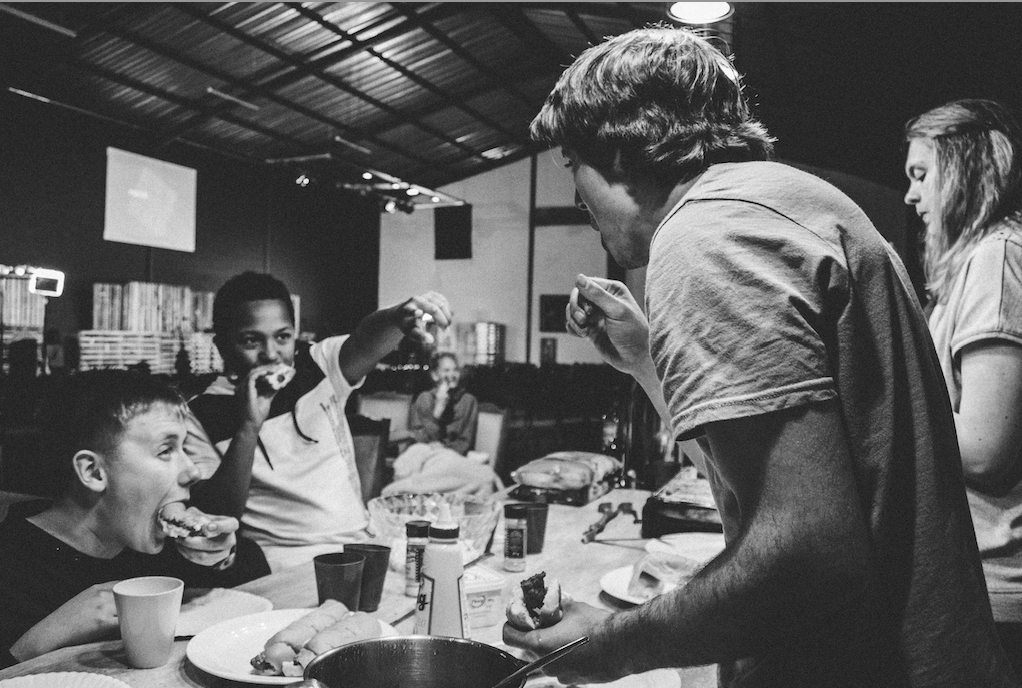
Why Family Dinners
Matter More Than Ever
A peaceful parenting ritual that nourishes connection, communication, and emotional safety
In the midst of busy schedules, after-school activities, work demands, and endless to-do lists, one simple ritual has the power to ground a family again and again: dinner together.
Family dinners aren’t about perfectly cooked meals or polished conversations. They’re about presence. About pausing long enough to reconnect. About coming back to each other at the end of the day.
From a peaceful parenting perspective, shared meals are one of the most powerful ways to build emotional safety, trust, and a sense of belonging within the home.
The Dinner Table Is a Place of Connection
When families sit down to eat together, something subtle but profound happens. The nervous system begins to settle. The pace slows. Everyone has a place.
For children, family dinners send a clear message:
You belong here. You matter here. This is your home base.
This sense of belonging is foundational for emotional resilience and secure attachment.
Why Consistent Family Dinners Are So Powerful
Research consistently shows that children who eat dinner regularly with their families experience benefits that go far beyond nutrition. From a peaceful parenting lens, it’s easy to see why.
Family dinners help:
Strengthen emotional connection
Improve communication skills
Support emotional regulation
Reduce behavioral challenges
Increase feelings of safety and stability
Even a few shared meals per week can make a meaningful difference.
Conversation Without Pressure
Family dinners create a natural, low-pressure space for conversation. Unlike formal “talks,” dinner conversations unfold organically.
Children are more likely to:
Share about their day
Open up about challenges
Express emotions
Feel heard without being interrogated
A peaceful parenting approach encourages curiosity over correction. Instead of fixing or teaching, dinner becomes a place to listen.
Simple prompts can help:
“What was the best part of your day?”
“What was tricky today?”
“What made you laugh?”
No agenda—just connection.
Modeling Emotional Regulation and Respect
At the dinner table, children are constantly learning—not from lectures, but from observation.
They watch how adults:
Take turns speaking
Listen without interrupting
Navigate differences of opinion
Express gratitude
Repair small moments of tension
Family dinners offer daily, real-life lessons in emotional intelligence, communication, and respect.
Food as a Form of Care
Preparing and sharing food together is one of the oldest expressions of love and care. When children see meals prepared with intention—or even help prepare them—they learn that nourishment matters.
This doesn’t mean every meal must be home-cooked or elaborate.
Peaceful parenting reminds us:
Consistency matters more than perfection.
Takeout counts. Simple meals count. Even breakfast-for-dinner counts—when the intention is togetherness.
Dinners Create Predictability and Safety
Children thrive on rhythm and routine. Knowing that there is a consistent time each day (or several days a week) when the family comes together creates emotional stability.
Family dinners become an anchor:
A pause in the day
A moment of reconnection
A reminder that no matter what happens, we come back together
This predictability supports calmer behavior and smoother evenings.
Put Presence Over Perfection
Family dinners don’t need to look a certain way to be meaningful.
They don’t need:
Perfect manners
Long attention spans
Elaborate menus
Forced conversation
They do need:
Phones put away
Eyes at the table
A relaxed atmosphere
Permission to be human
Peaceful parenting invites us to release unrealistic expectations and focus on how the meal feels.
The Long-Term Impact of Family Dinners
Over time, shared dinners shape family culture.
Children raised with regular family meals often grow up:
Feeling more connected to their families
More comfortable communicating
More grounded and secure
With strong memories of togetherness
Years later, it’s often not the vacations or big events they remember most—it’s the everyday moments around the table.
When Life Gets Busy (Because It Will)
Some weeks will be harder than others. That’s okay.
Peaceful parenting encourages flexibility without abandoning the ritual:
Shorten the meal
Sit together for part of it
Choose a few non-negotiable nights per week
Even brief moments of consistency keep the connection alive.
Soul Tribe Reminder 🌿
Family dinners aren’t about the food on the table.
They’re about the hearts around it.
Every shared meal is a quiet way of saying:
We are here. We are together. And that is enough.✨