
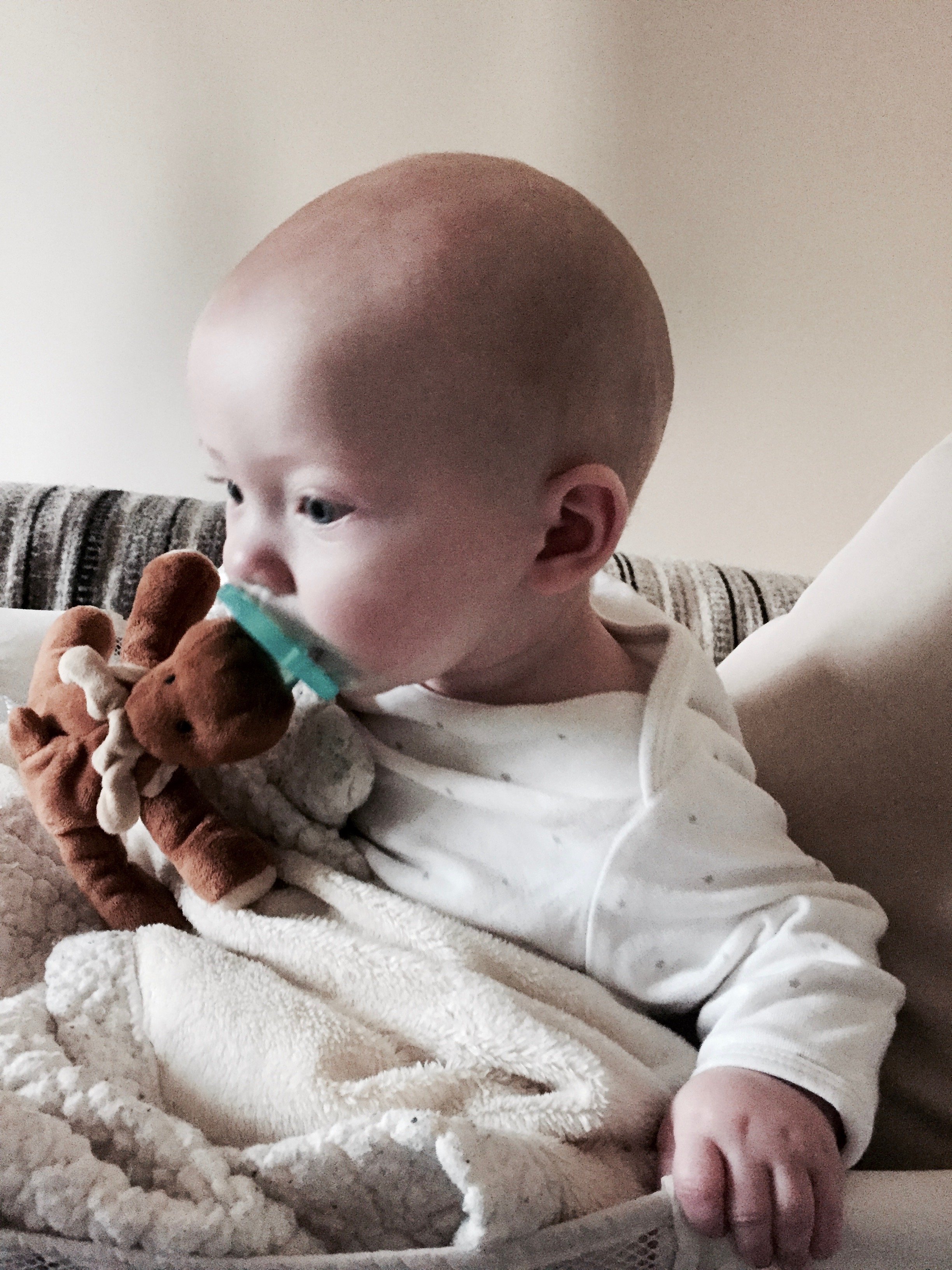
Michael with his Moose pacifier
Pacifiers:
Comfort, Soothing & Finding What Feels Right
for Your Baby
Pacifiers are one of those baby topics that can spark a lot of opinions—but at their heart, pacifiers are about comfort. For many babies, sucking is deeply regulating. It’s instinctual, calming, and grounding in a brand-new world that can feel loud, bright, and overwhelming.
Like so many things in early parenthood, pacifiers aren’t about right or wrong—they’re about what supports your baby and your family.
Why Babies Love Pacifiers
Babies are born with a natural sucking reflex. It’s one of the first ways they soothe themselves, long before they can crawl, talk, or self-regulate emotions.
Pacifiers can:
Help calm fussy or overstimulated babies
Support sleep by providing comfort and rhythm
Offer relief during stressful moments like car rides or doctor visits
Reduce the risk of SIDS when used during sleep (according to pediatric research)
For many parents, pacifiers become a gentle tool—something that helps create a sense of safety and familiarity.
Pacifiers & Emotional Regulation
Soothing isn’t spoiling.
When a baby uses a pacifier, they aren’t “avoiding feelings”—they’re learning how to regulate them. This early sense of calm lays the foundation for emotional resilience later on.
Pacifiers can also support independent soothing, allowing babies to settle themselves without always needing to be held or fed—something that can feel especially supportive during sleep transitions.
Common Concerns (and a More Balanced Perspective)
Will my baby become dependent on a pacifier?
Some babies love them, some don’t, and many outgrow them naturally. Dependency is far less common than we fear—especially when pacifiers are used mindfully.
Will pacifiers affect breastfeeding?
For breastfeeding families, it’s often recommended to wait until nursing is well established before introducing a pacifier. Once feeding is going smoothly, many babies can switch between both without issue.
What about teeth and speech?
Long-term, constant use past toddlerhood may affect dental alignment. The key is timing and moderation, not avoidance. Most experts suggest gentle weaning between ages 2–4, depending on the child.
Choosing a Pacifier That Feels Good
Not all pacifiers are created equal. Many parents prefer:
Natural rubber or silicone
One-piece designs for safety
Orthodontic shapes that support oral development
Minimalist designs that are easy to clean
Every baby has preferences—sometimes it takes trying a few styles before finding “the one.”
Pacifiers as Part of a Calm Parenting Toolbox
Pacifiers aren’t meant to replace connection—they’re meant to support it. They can be one tool among many:
Holding
Rocking
Skin-to-skin
Singing
Gentle routines
Used this way, pacifiers become part of a peaceful, responsive parenting rhythm rather than a crutch.
Trust Your Intuition
Some babies never take a pacifier. Others love them deeply. Both are normal. What matters most is tuning into yourbaby and releasing outside pressure.
Pacifiers don’t define your parenting.
They don’t create bad habits.
They don’t diminish attachment.
Sometimes, they simply offer a moment of calm—and in early parenthood, that can be everything.
When Michael was a baby
he loved the pacifiers with the plushie animals
which was of course a sign that he would start
a huge stuffed animal collection!

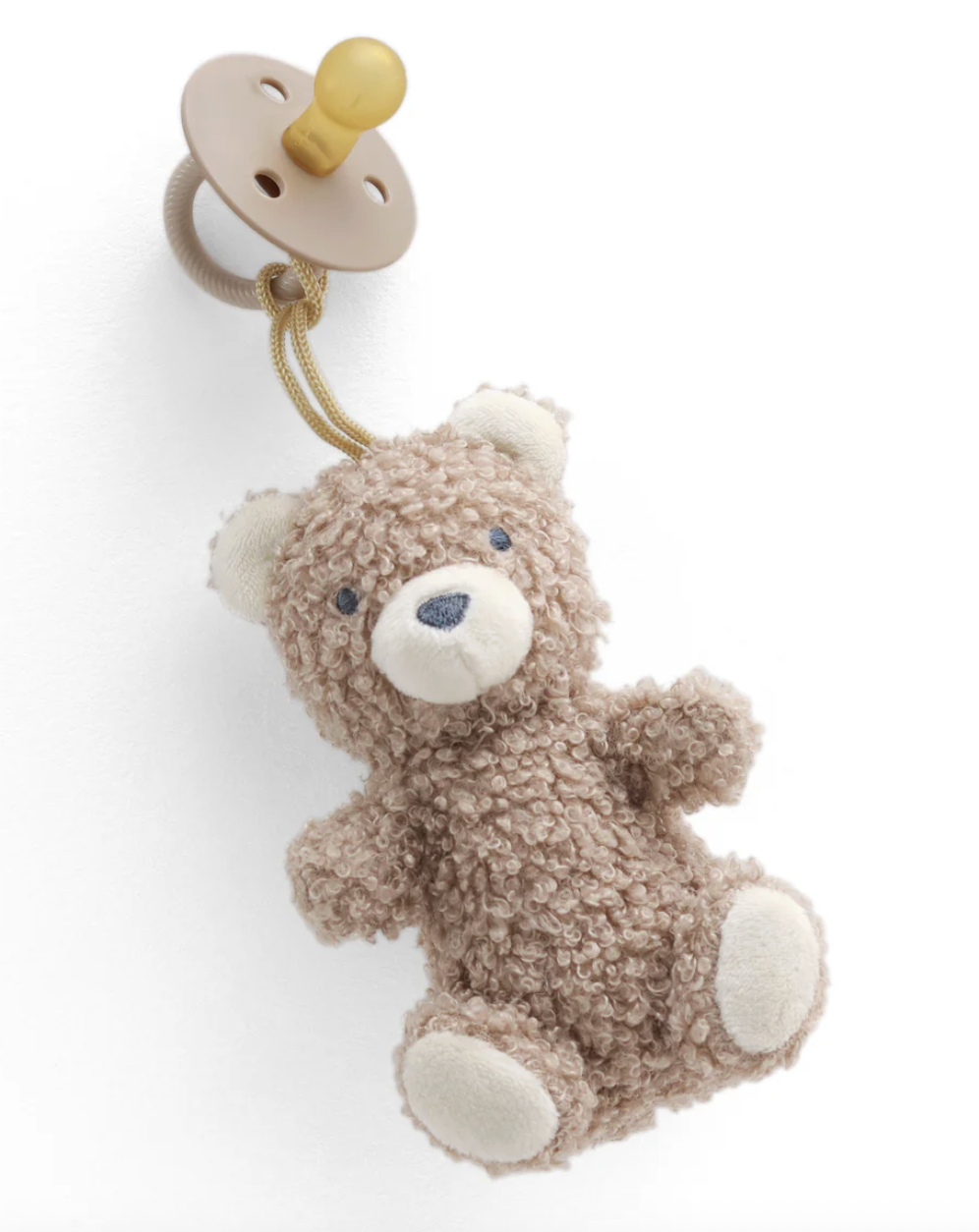
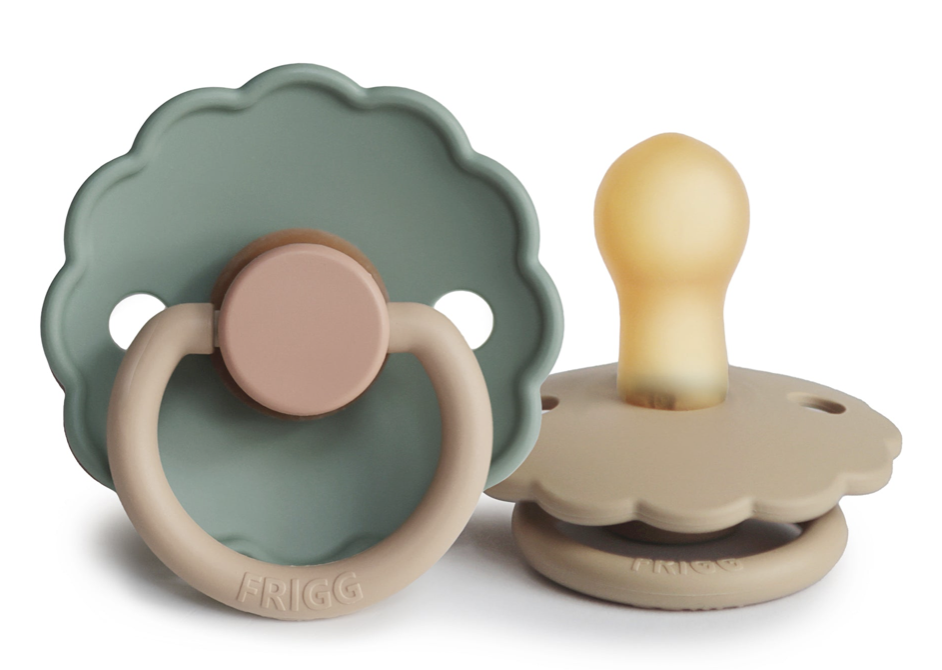
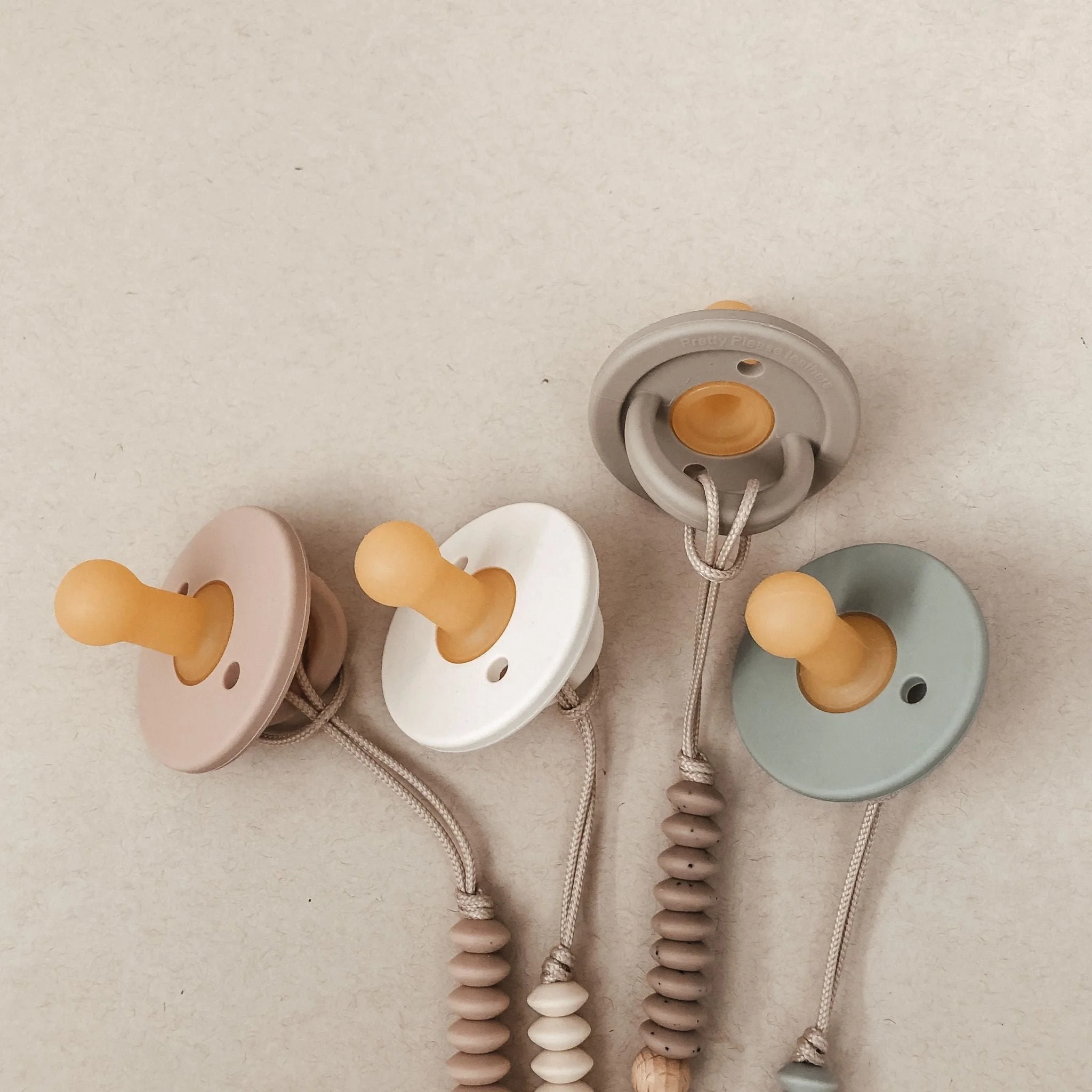
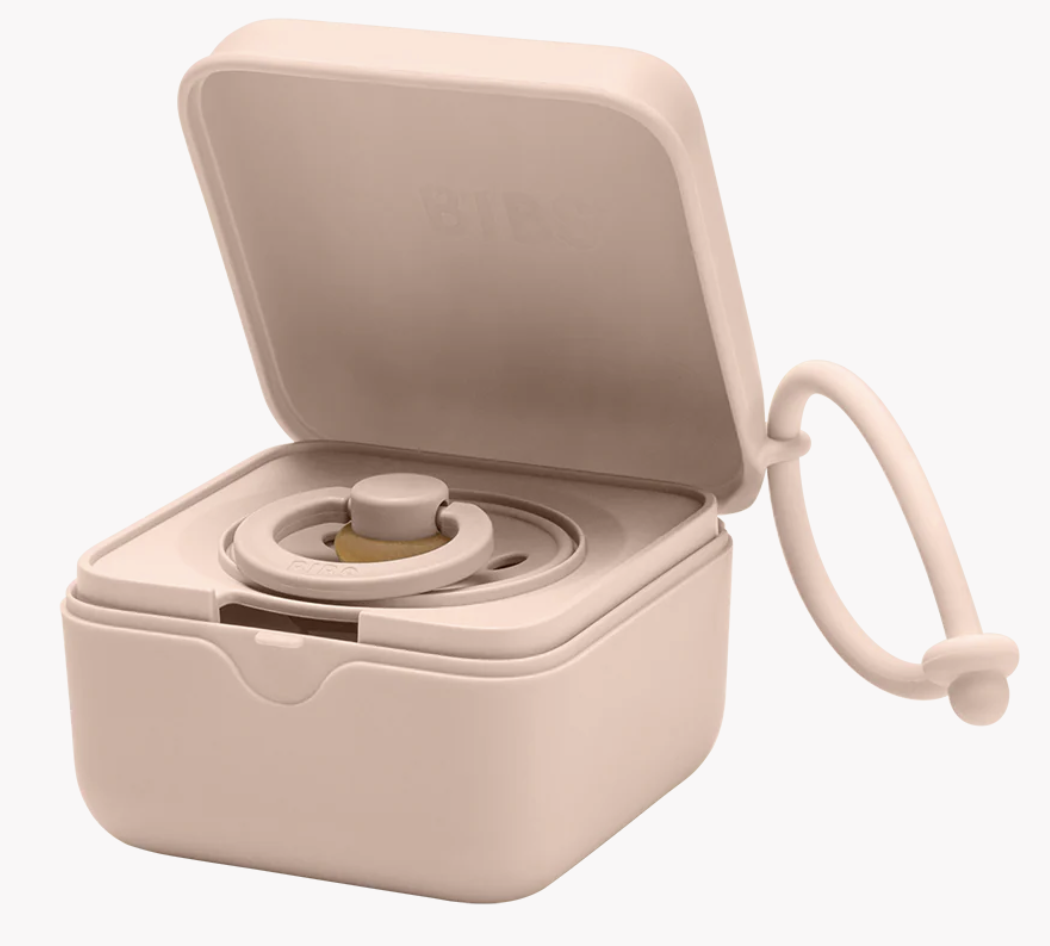
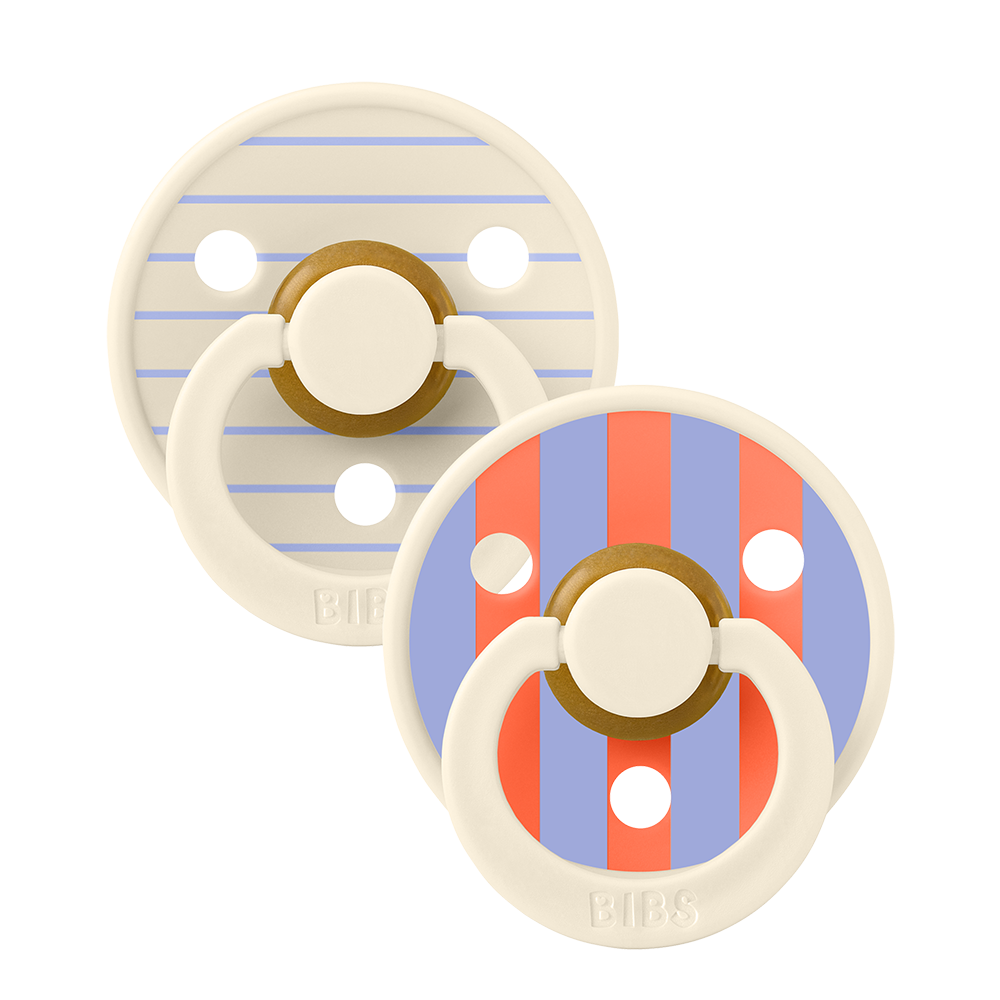
I just love these modernized retro pacifiers by Mushi!
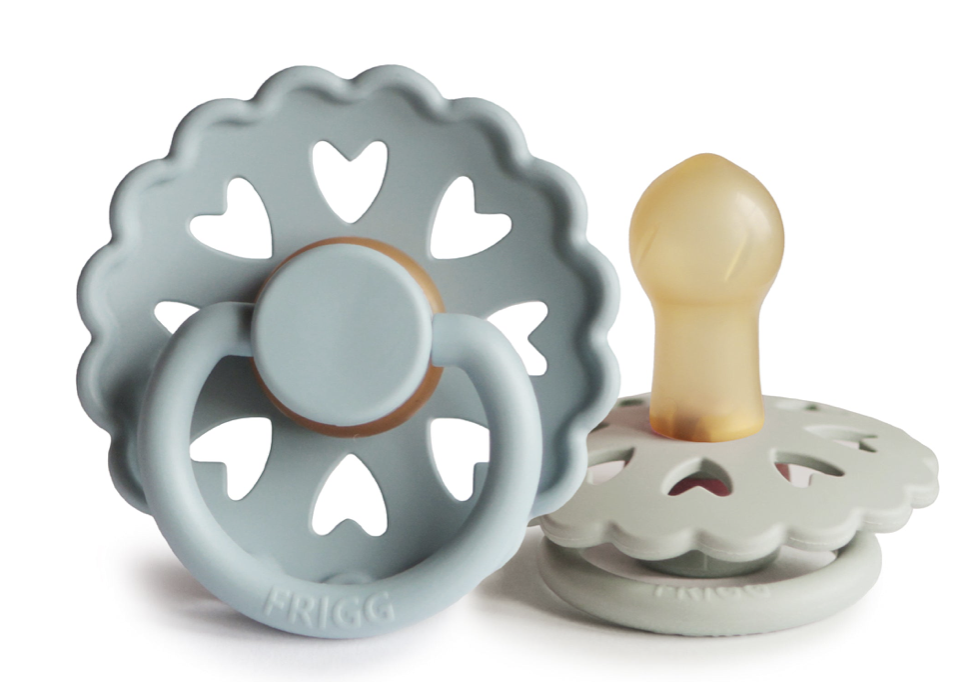
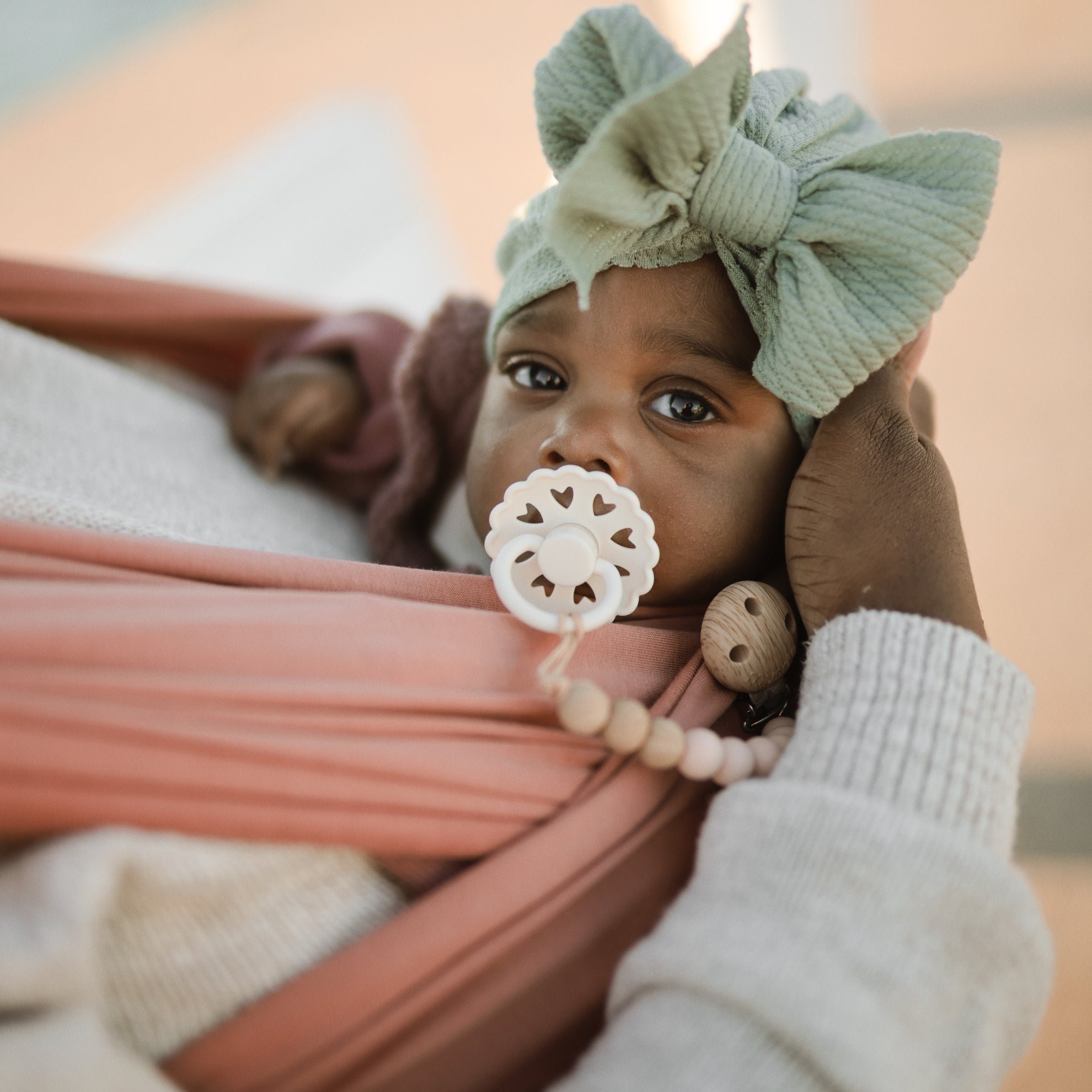



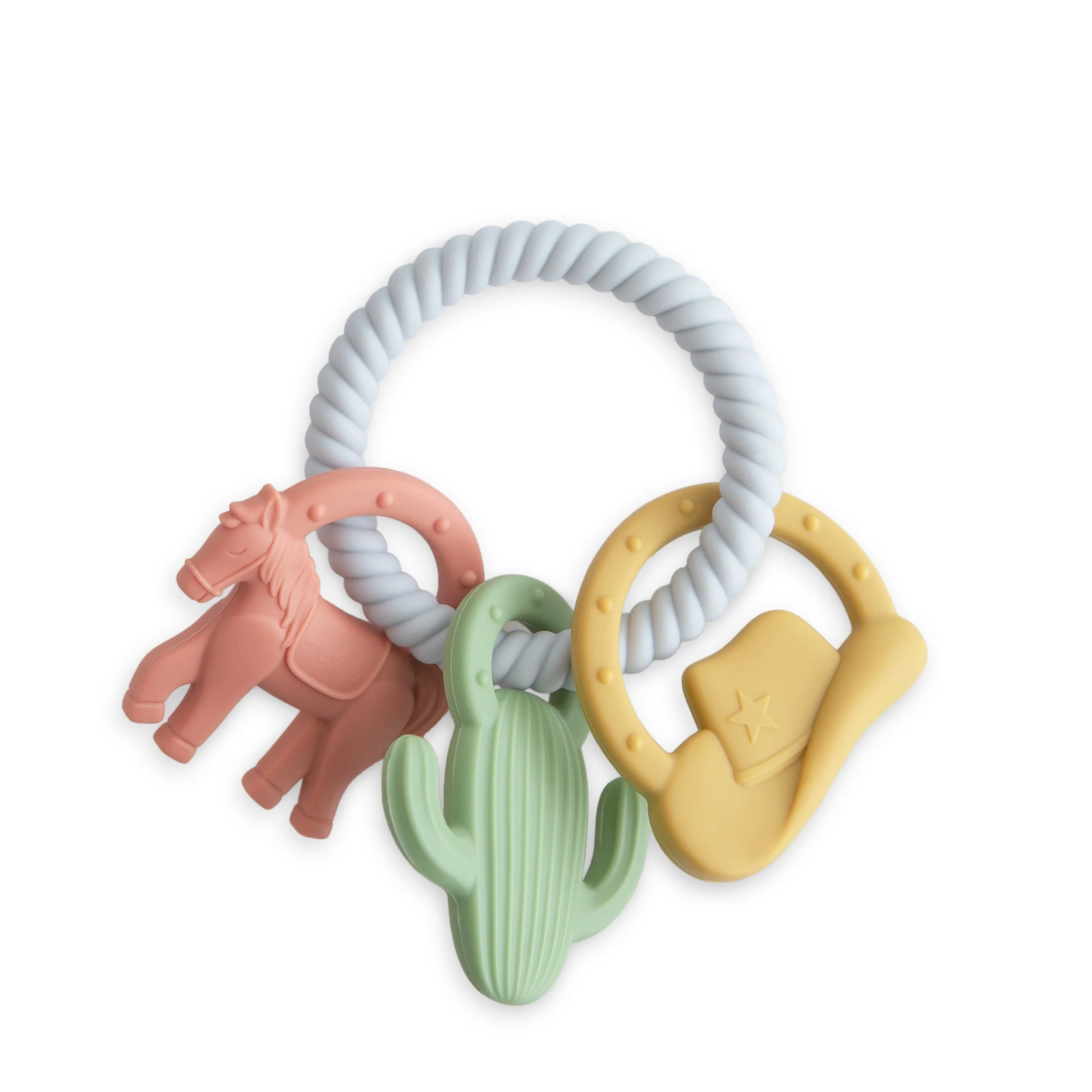
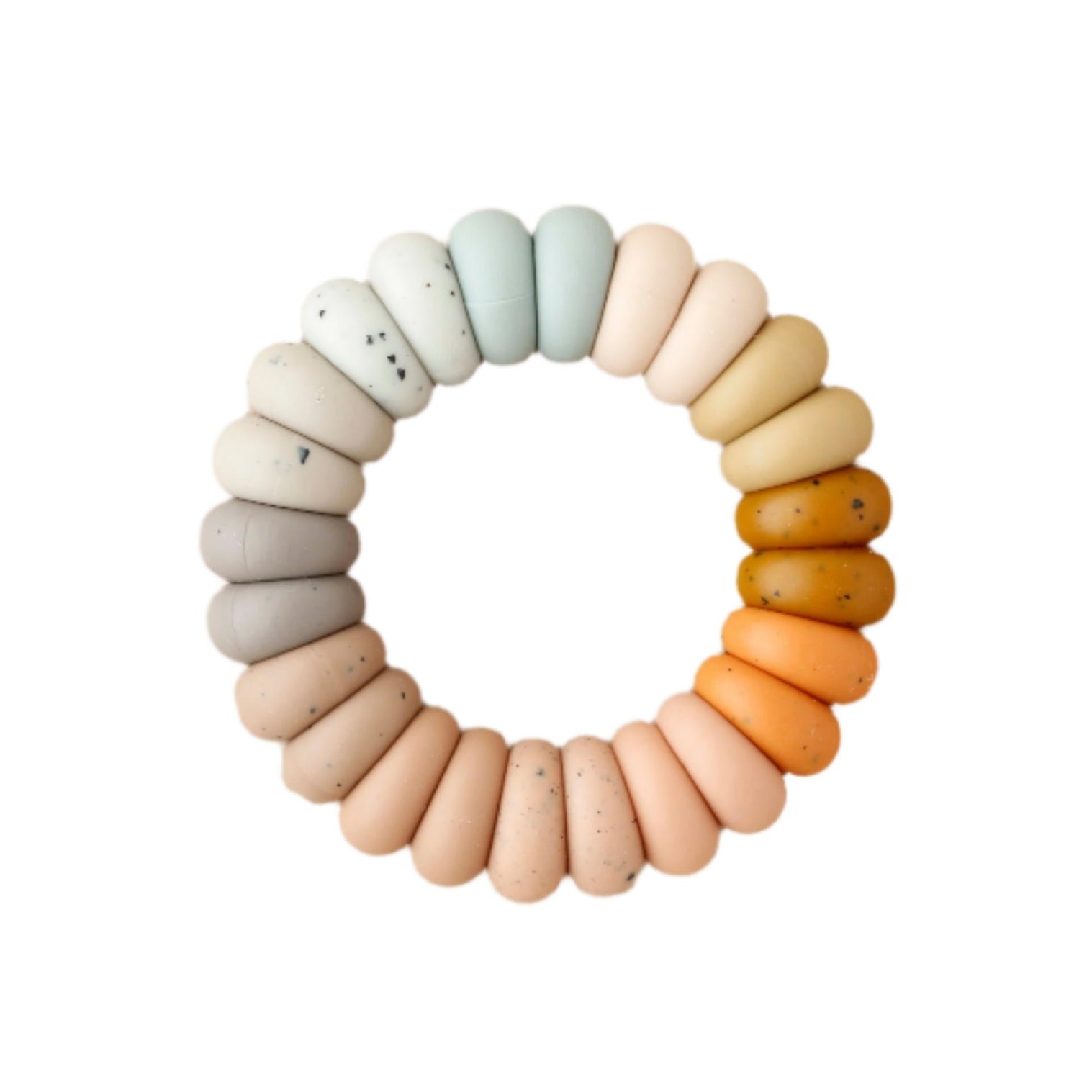
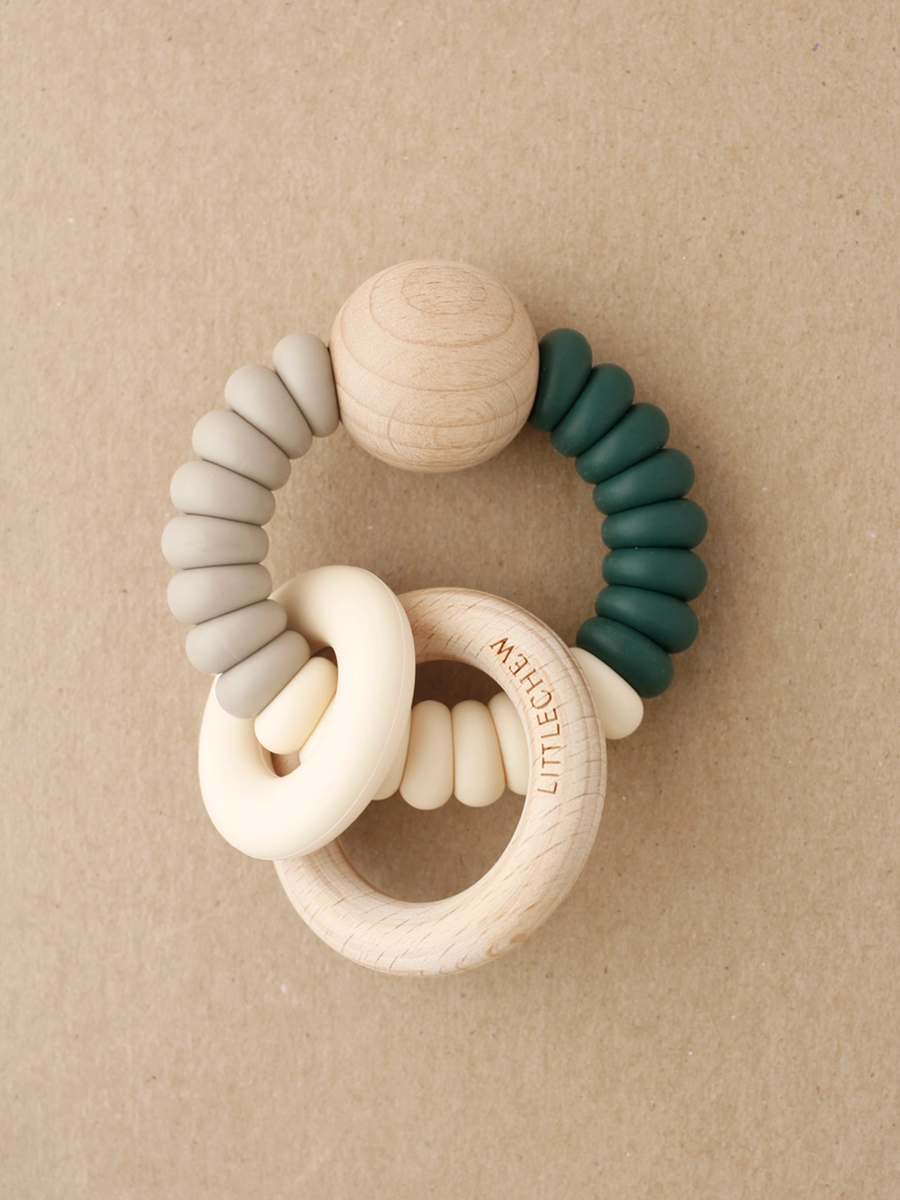
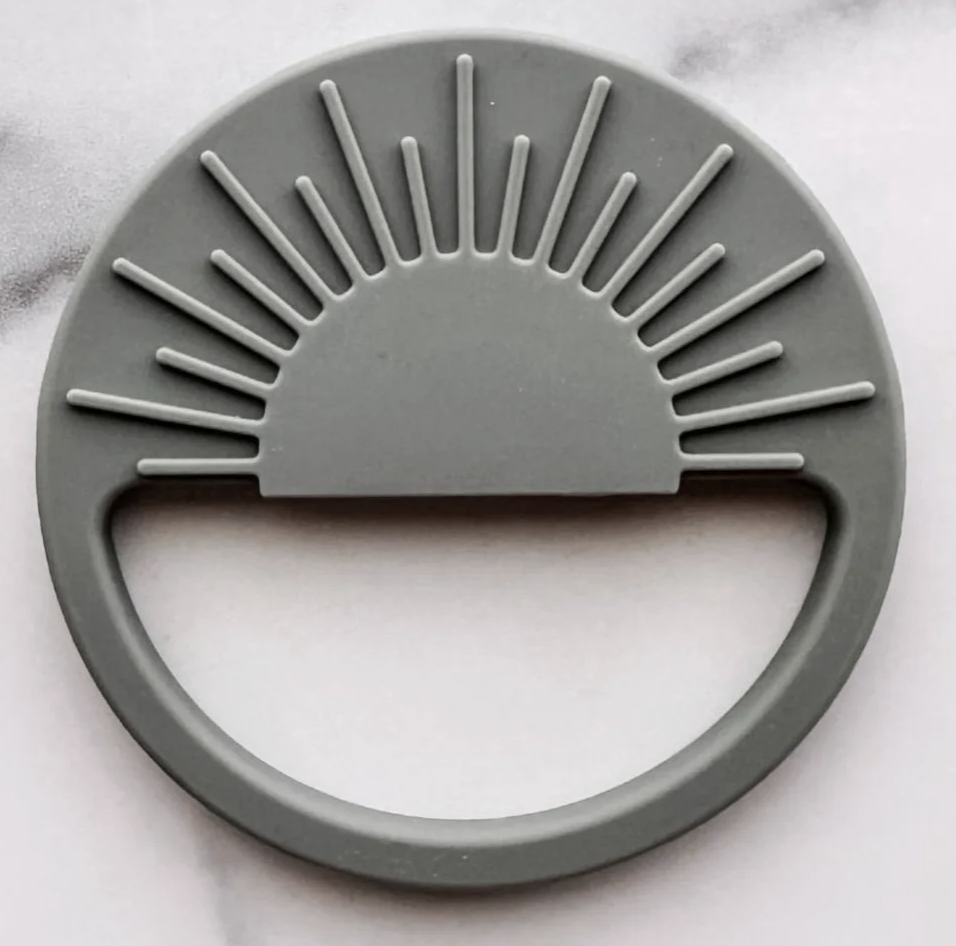
Teethers:
Gentle Relief, Sensory Support
& Comfort for Growing Babies
Teething can be a tender season—for babies and parents alike. Gums ache, drool flows freely, sleep can feel disrupted, and your once-content baby may suddenly need a little extra comfort. Teethers are a simple yet powerful tool during this phase, offering relief, sensory stimulation, and reassurance as your baby’s body grows.
At their best, teethers aren’t just something to chew on—they’re a form of soothing, exploration, and self-regulation.
Why Babies Need Teethers
As teeth begin to move beneath the gums, babies naturally want to chew. This pressure helps ease discomfort and gives babies a sense of control over new sensations in their bodies.
Teethers can:
Relieve sore, swollen gums
Encourage healthy oral development
Support hand-to-mouth coordination
Offer sensory grounding during growth spurts
Provide comfort during fussy moments
Chewing is instinctive—it’s how babies process both physical sensations and emotional shifts.
Teethers & Sensory Development
Teething often coincides with big developmental leaps. Babies are learning to grasp, transfer objects between hands, and explore textures. Teethers support this beautifully.
Different shapes and textures help:
Stimulate sensory awareness
Strengthen jaw and mouth muscles
Improve fine motor skills
Build early confidence through independent soothing
This kind of play is both calming and developmental.
Choosing a Safe, Natural Teether
Safety matters—especially since teethers live in little mouths.
Many parents look for:
100% food-grade silicone or natural rubber
Untreated, smooth wood (like beech or maple)
One-piece designs without seams
BPA-, PVC-, and phthalate-free materials
Easy-to-clean shapes
Simple, natural materials are often the most comforting—and the safest.
Cold Teethers: What to Know
Chilled (not frozen) teethers can provide extra relief. Cooling reduces inflammation and soothes tender gums—but frozen teethers can be too harsh and may irritate delicate tissue.
A quick chill in the fridge is usually just right.
Teethers as Emotional Comfort
Teething isn’t just physical—it can feel disorienting for babies. Teethers help them regulate through this unfamiliar phase. Offering one is a way of saying, “I know this is hard. I’m here.”
They’re not a replacement for cuddles—but they work beautifully alongside them.
When to Introduce Teethers
Most babies show teething signs between 3–6 months, but some begin earlier. You can introduce a teether whenever your baby starts bringing hands or toys to their mouth.
Follow your baby’s cues—they’ll tell you what they need.
A Gentle Perspective
Teethers aren’t about fixing discomfort instantly. They’re about offering comfort, agency, and support as your baby moves through a natural developmental milestone.
Like so many tools in early parenthood, the best approach is simple:
Choose safe materials.
Stay present.
Trust your baby.
Sometimes, a small object held in tiny hands can bring a lot of relief—and a little more calm to everyone involved
Teether & Pacifier Clips
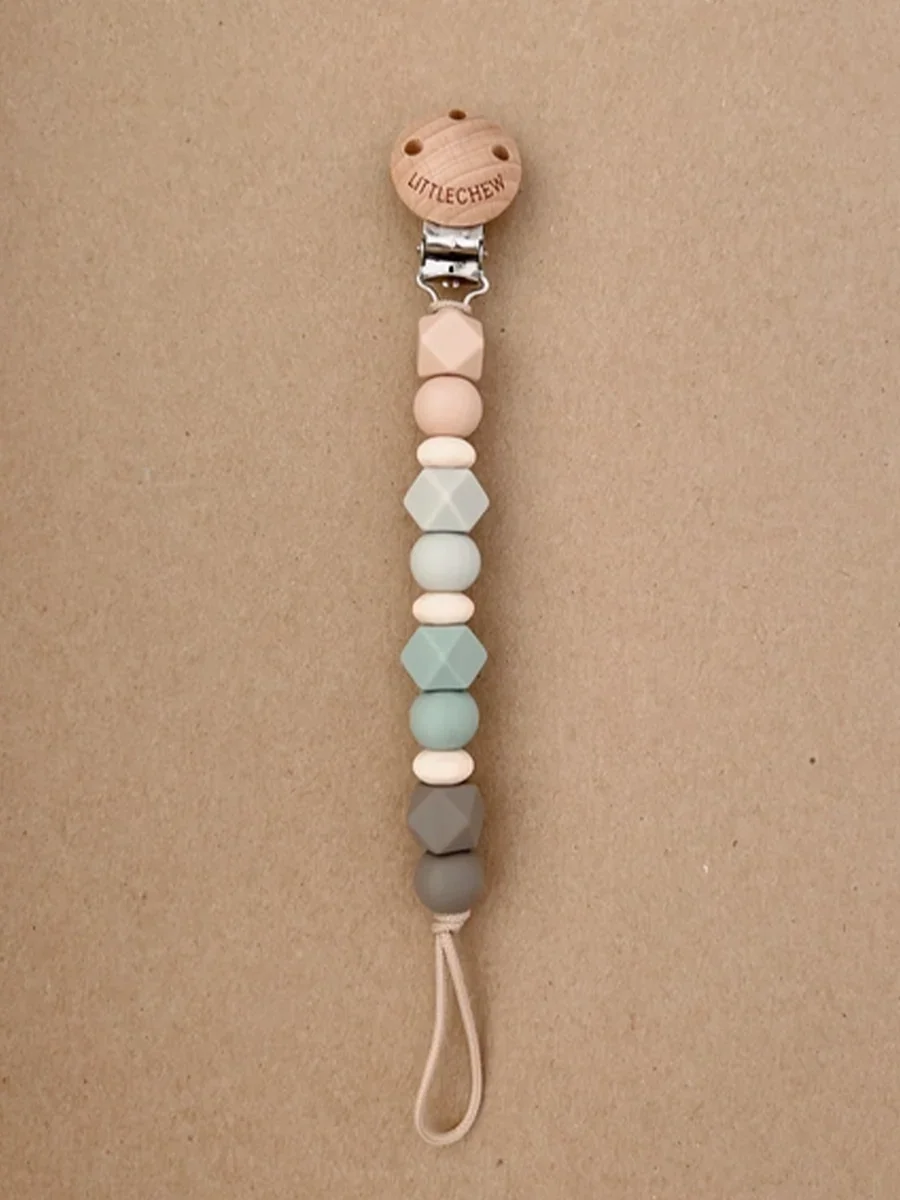
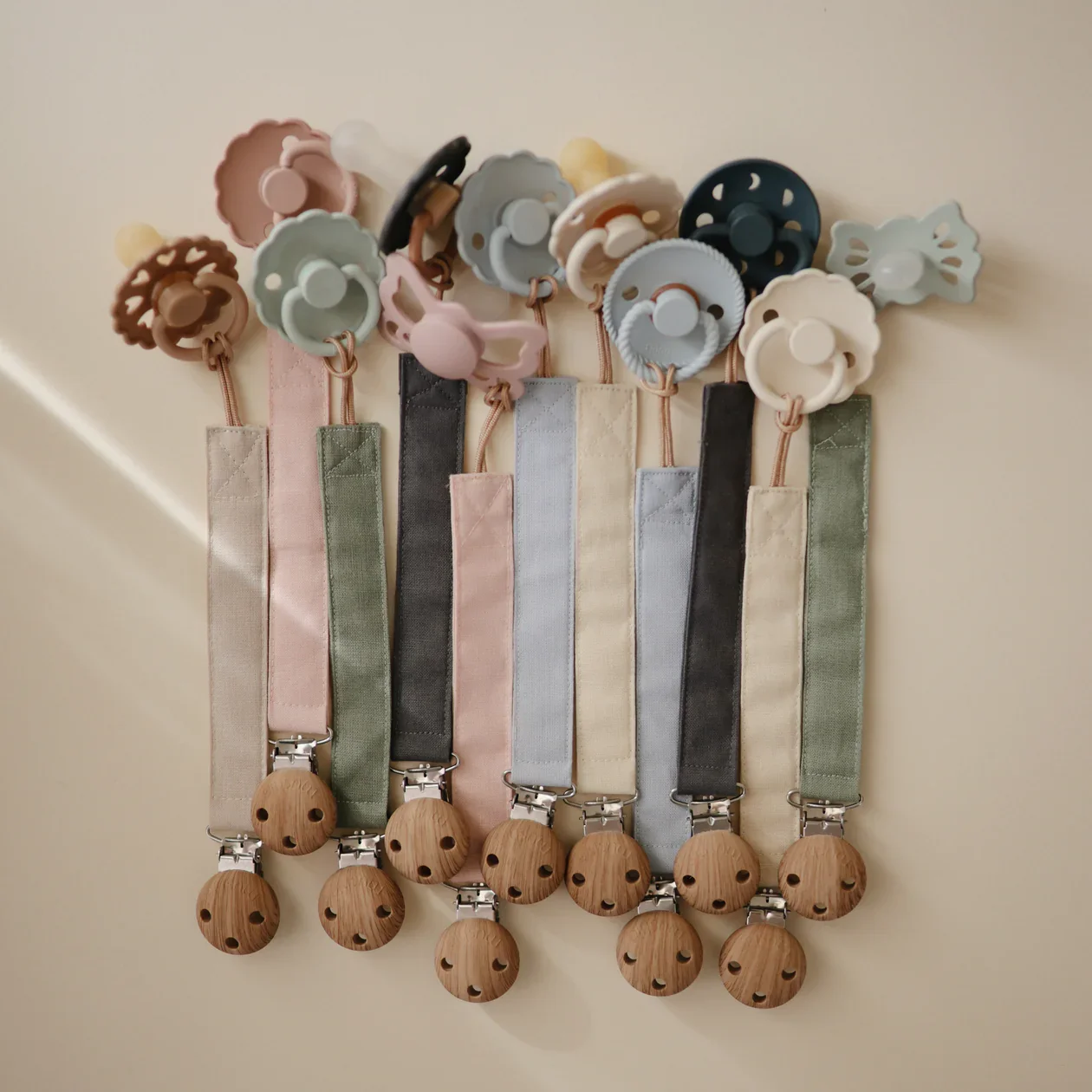
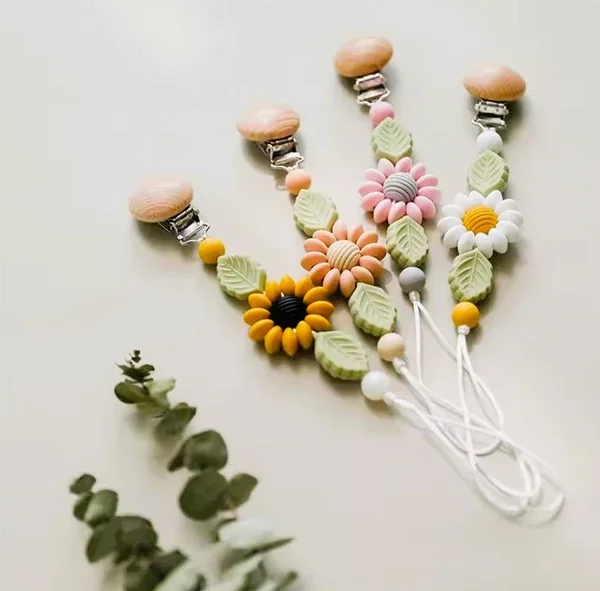
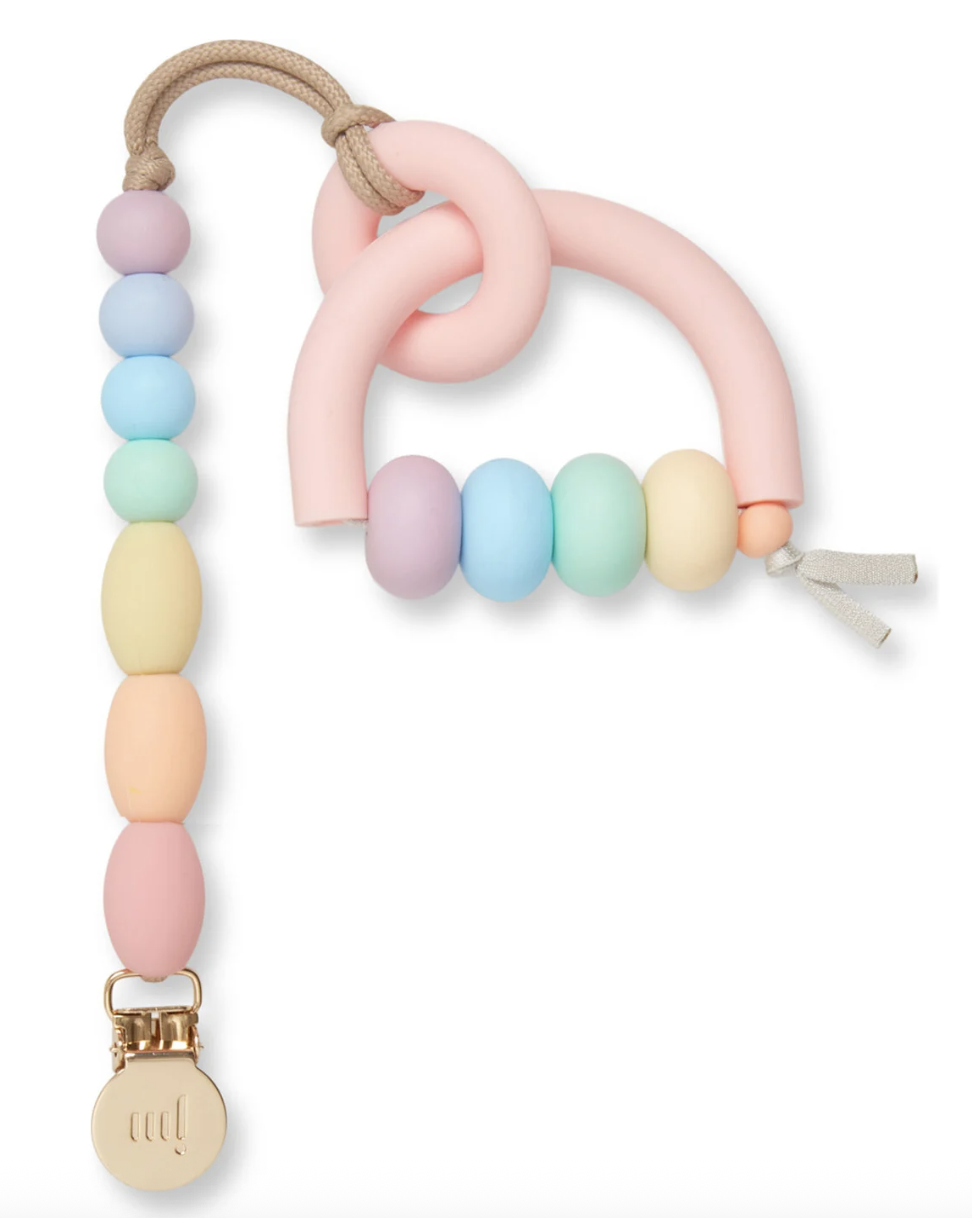
I hope you enjoyed our pacifier and teether guide —
thoughtfully curated for you and your little one 🤍
Welcome to The Soul Tribe —
your sanctuary for conscious motherhood, peaceful parenting, and radiant living at every phase of your journey.
Whether you’re dreaming of becoming a mama, growing a life within you, navigating newborn days, or raising little souls with intention,
Soul Tribe is here to walk beside you through it all.
✨ This is your village. Your soul family. Your safe space to grow into the mother you feel called to be.